Background on U.S.-Venezuela Relations
The relationship between the United States and Venezuela has been marked by significant tension and conflict, particularly in the last two decades. Historical ties date back to the early 20th century when Venezuela was considered an important ally due to its vast oil reserves. However, relations began to deteriorate with the rise of leftist leaders, particularly Hugo Chávez, who came to power in 1999. Chávez’s government pursued an anti-U.S. agenda, promoting regional integration with a socialist bent while openly criticizing U.S. foreign policy. This set the stage for a complicated and fraught bilateral relationship.
Nicolás Maduro, who succeeded Chávez in 2013, further exacerbated tensions with the U.S. His administration faced accusations of authoritarianism, human rights violations, and electoral fraud, all contributing to the U.S. government’s deteriorating stance toward Venezuela. The Obama administration implemented targeted sanctions against Maduro’s officials and sought to apply diplomatic pressure to promote democratic reforms. The situation escalated dramatically under President Donald Trump, who recognized opposition leader Juan Guaidó as Venezuela’s legitimate president in 2019, calling for a transition of power.
Moreover, drug trafficking has increasingly become a catalyst for the U.S.-Venezuela rift. The U.S. has accused the Venezuelan government of facilitating the transit of narcotics, particularly cocaine, from South America to North America. The involvement of high-ranking officials in drug-related activities has drawn U.S. sanctions and heightened military presence in the region. This has created a complex web of issues that intertwine political, economic, and security aspects, culminating in Trump’s recent declaration to close Venezuelan airspace. Understanding this historical context provides clarity on the significance of the current U.S. actions in response to the drug trafficking crisis facing Venezuela.
Trump’s Airspace Declaration Explained
In a notable development, President Donald Trump announced via a social media post the closure of Venezuelan airspace, a decision that has drawn significant attention. The exact wording of the declaration indicated a strong stance against drug trafficking, reflecting the administration’s ongoing efforts to combat the narcotics crisis, particularly as it pertains to Venezuelan involvement in drug trade networks. This declaration has been positioned within the broader framework of U.S. drug trafficking policy, which aims to mitigate the flow of illegal substances into American borders.
The motivations behind Trump’s airspace closure are multifaceted. On one hand, it serves as a strategic maneuver to curb the operations of drug traffickers who frequently exploit airspace for smuggling purposes. By creating a narrative where Venezuela is portrayed as a significant participant in the global drug trade, the administration aims to gain support for enhanced measures against illegal activities. Moreover, it is representative of a more assertive U.S. foreign policy under the Trump administration, which has focused on addressing drugs as both a domestic issue and an international security threat.
However, this declaration also raises important legal and political questions regarding U.S. authority over foreign airspace. International law dictates that each nation maintains sovereignty over its airspace, thus complicating the assertion that the United States can unilaterally impose restrictions on Venezuelan airspace. The declaration may therefore be interpreted as an expression of U.S. influence in the region, though not necessarily an actionable policy. In the context of ongoing tensions between the United States and Venezuela, this announcement must be evaluated not only for its intended impact on drug trafficking but also for its potential geopolitical consequences in a region marked by strained diplomatic relations.
Impact on Air Travel and the Aviation Industry
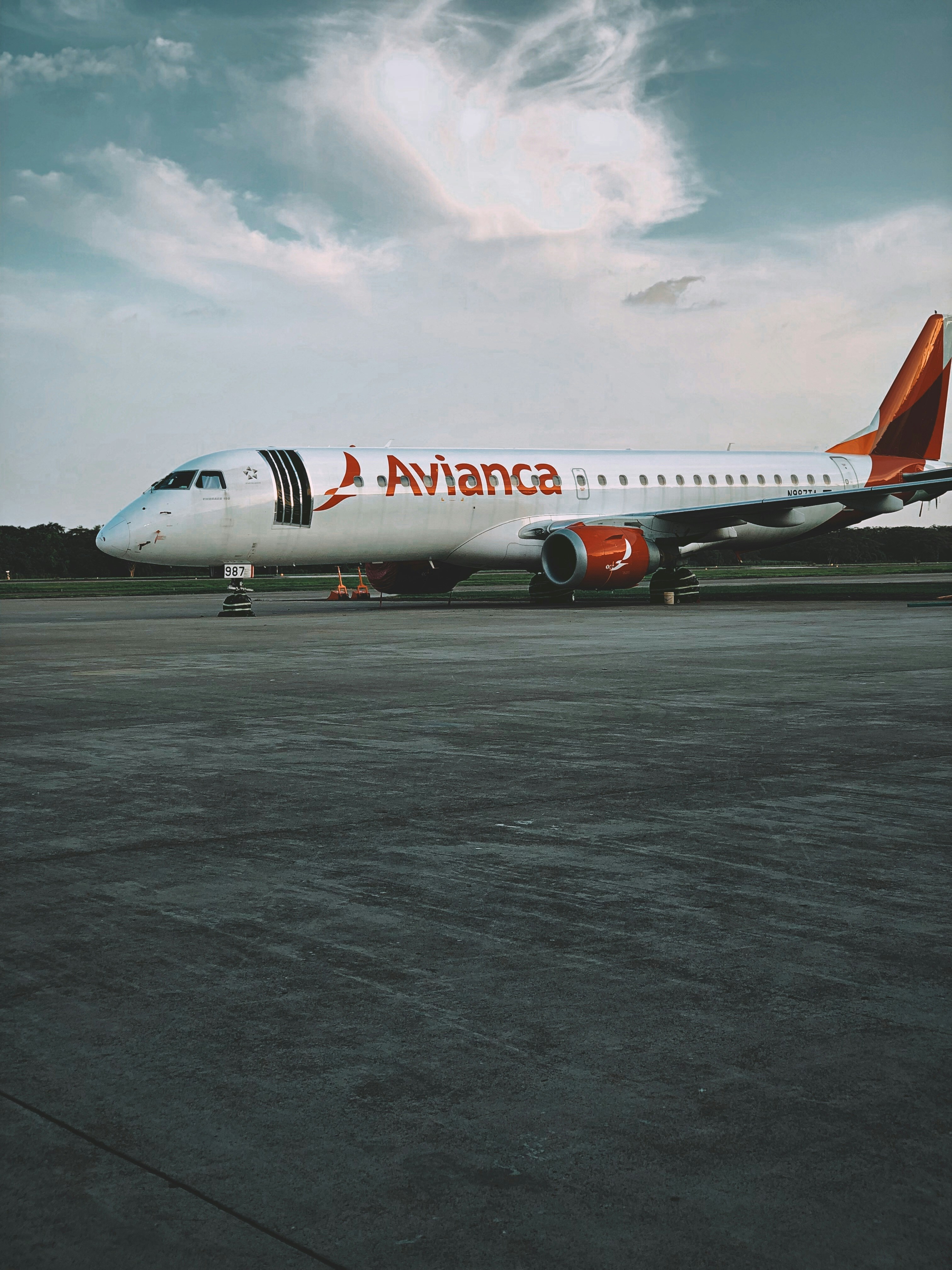
The recent declaration of Venezuelan airspace being closed has profound implications for air travel, particularly affecting airlines operating within or near the region. In the short term, passengers may experience flight disruptions, as airlines reevaluate their current schedules and reroute flights to avoid Venezuelan airspace. Such rerouting is imperative not only for compliance with U.S. recommendations but also for addressing safety concerns amid escalating tensions linked to drug trafficking. Consequently, travelers planning to fly to or from the affected areas should anticipate potential cancellations or significant delays.
Airlines are faced with the challenge of adjusting their operational strategies in response to this development. This may involve increasing flight times, as bypassing Venezuelan airspace could extend routes significantly, leading to higher fuel costs. Such operational adjustments can strain resources and impact ticket prices as airlines seek to balance operational expenses with consumer demand. The ripple effects may also influence airlines’ profitability, particularly those that heavily rely on routes through this region.
In addition to immediate operational challenges, international aviation authorities are closely monitoring the situation, urging airlines to prioritize passenger safety. The International Civil Aviation Organization (ICAO) and other relevant bodies may issue advisories or directives to ensure compliance and safety in air travel across the region. These measures are aimed at fostering a safer aviation environment, but they may also necessitate airlines to adapt and innovate in their routing and scheduling plans.
In the long term, the implications of closed airspace may lead to a reassessment of aviation strategies in the Americas, prompting airlines to either reconsider their presence in the region or invest in expedited research about alternative routes. As the aviation industry navigates these turbulent waters, it remains essential to balance operational efficiency, passenger safety, and regulatory compliance to sustain air travel viability.
Military Presence and Future Implications
The declaration by President Trump to close Venezuelan airspace amidst the ongoing war against drug trafficking has sparked significant military developments in the Caribbean region. This strategic military presence aims to exert pressure on Venezuela, a country grappling with severe political and economic crises. By increasing its military operations in proximity to Venezuela, the U.S. seeks to deter drug smuggling activities that have flourished in the region, often facilitated by state resources allegedly associated with the Maduro regime.
The presence of U.S. forces in the Caribbean serves various broader strategic objectives. Among these is the intent to establish a clear opposition to the influence of drug cartels that operate within and beyond Venezuelan borders. The looming military buildup signifies a robust U.S. commitment to combat drug trafficking, which directly impacts both national and regional security. However, this military escalation risks inflaming tensions and has the potential to escalate existing conflicts, raising concerns among regional allies and stakeholders.
As U.S.-Venezuela relations continue to deteriorate, the implications of the military presence extend beyond immediate drug-related concerns. Analysts speculate that increased military action may inadvertently set the stage for a potential regime change in Venezuela. With heightened pressure, including air and naval presence, the goal could evolve from merely curtailing drug trafficking to undermining Nicolás Maduro’s authority. However, such actions must be approached with caution, as military interventions often have unpredictable outcomes.
Looking ahead, the future of U.S.-Venezuela relations remains uncertain. The likelihood of regime change under Maduro hinges on various factors, including the resilience of internal opposition movements, the influence of international actors, and the effectiveness of U.S. strategies. The increasing military presence serves not just as a deterrent, but also as a pivotal factor that could redefine the geopolitical landscape of Latin America.

At TodayResearcher, we bring you stories that matter. Covering everything from breaking news and world events to lifestyle, entertainment, science, and culture, our editorial team is dedicated to delivering accurate, insightful, and engaging content. We aim to keep readers informed, inspired, and curious about the world around them.