Understanding Listeria: The Bacteria Behind the Outbreak
Listeria monocytogenes is a pathogenic bacterium primarily responsible for listeriosis, a severe infection often linked to contaminated food sources. This bacterium is ubiquitous in the environment, found in soil, water, and decaying organic matter. It can also reside in various animals, including livestock, and can be transmitted to humans through the consumption of contaminated food products. Commonly implicated foods include unpasteurized dairy products, deli meats, and prepared salads, making understanding Listeria critical to public health.
Unlike many pathogens, Listeria has a unique ability to thrive in cold and humid environments, such as refrigerators. This characteristic allows it to grow even in conditions that inhibit other harmful bacteria, complicating efforts to control its spread. The ability of Listeria monocytogenes to survive food processing and preservation techniques heightens the risk for consumers, particularly those vulnerable to severe illness. It is essential to note that listeriosis can lead to serious health issues, including meningitis and septicemia, primarily affecting high-risk populations such as pregnant women, newborns, elderly individuals, and those with weakened immune systems.
Symptoms of listeriosis can vary, often resembling flu-like conditions. Common indications include fever, gastrointestinal distress, muscle aches, and, in severe cases, neurological symptoms such as confusion or convulsions. The incubation period can range from a few days to several weeks, contributing to the challenge of linking specific food items to infections. Given the serious nature of listeriosis and its associated risks, ongoing education about Listeria and its transmission is crucial. By comprehending the behaviors and characteristics of Listeria monocytogenes, individuals can make informed decisions regarding food safety and minimize their risk of infection.
The Nate’s Fine Foods Recall: Timeline and Impact
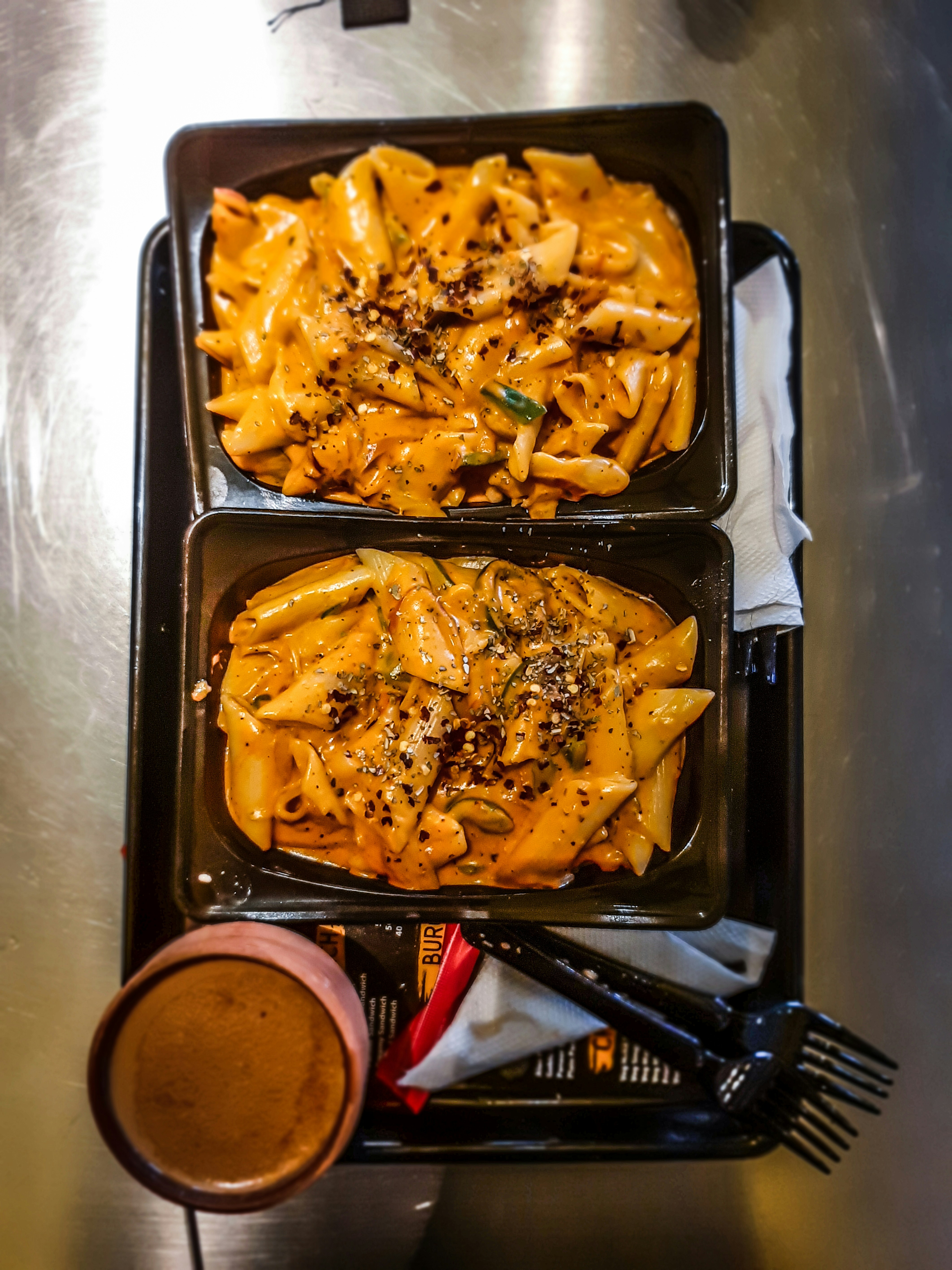
The timeline of events surrounding the Nate’s Fine Foods recall is crucial to understanding its impact on consumers and the company itself. The saga began in early June 2023, when several cases of listeriosis were reported across multiple states. Initial investigations by public health authorities quickly linked these infections to contaminated food products, particularly prepared pasta meals distributed by Nate’s Fine Foods. By mid-June, health officials issued warnings to consumers to stay alert for symptoms associated with listeria infection.
As the investigation progressed, epidemiologists identified a common source among the reported cases, leading to intensified scrutiny of Nate’s Fine Foods’ product safety protocols. By late June 2023, the Centers for Disease Control and Prevention (CDC) confirmed the link between the outbreaks and the pasta meals, prompting urgent communication to the company regarding necessary remedial actions. Following this, Nate’s Fine Foods took decisive measures, announcing a voluntary recall on July 1, 2023. They urged consumers to discard their prepared pasta meals and provided information on how to obtain refunds.
The public response to the recall was swift and significant. Consumers expressed concerns over food safety, with many taking to social media platforms to share their experiences. News outlets extensively covered the unfolding situation, amplifying public awareness and prompting further investigations into food safety regulations. As a result of the recall, Nate’s Fine Foods faced considerable reputational damage and financial strain. The company launched a series of initiatives to regain consumer trust, including enhanced quality control measures and transparency in its production processes.
The ramifications of the Nate’s Fine Foods recall extend beyond immediate consumer safety; they underscore the importance of stringent food safety practices within the food production industry. This event serves as a reminder of the ongoing vigilance required to prevent similar outbreaks in the future.
Health Authorities’ Response and Public Safety Measures
The recent listeria outbreak linked to a pasta recall has prompted swift and comprehensive actions from health authorities at various levels. The Centers for Disease Control and Prevention (CDC) played a pivotal role in investigating the situation, collaborating with local health departments to trace the source of contamination. Initial reports highlighted several cases of listeriosis, which led to the immediate need for a thorough epidemiological investigation.
Upon identifying the potential connection to specific pasta products, the CDC issued guidelines outlining preventive measures for consumers. This included a public health advisory that urged individuals to check their pantry for affected products and to dispose of them immediately. Health authorities emphasized the importance of food safety practices, particularly in preventing listeria and similar pathogens from entering homes.
The recall, initiated by the manufacturer upon notification from health officials, was comprehensive, covering multiple pasta varieties sold across numerous retail chains. Local health departments were instrumental in disseminating information related to the recall, ensuring that consumers were aware of the potential risks associated with consuming these pasta products. They utilized various channels, such as press releases and social media platforms, to reach a broader audience.
Aside from immediate recall actions, health authorities have also recommended steps individuals can take to mitigate the risk of listeria exposure in the future. These recommendations include proper food storage techniques, thorough cooking methods that reach recommended temperatures, and regular cleaning of kitchen surfaces to prevent cross-contamination. By taking these proactive measures, health authorities not only respond to the current outbreak but also aim to educate the public on maintaining food safety and preventing future incidents of contamination.
Grieving Families and Community Impact: Stories from the Affected
The emotional toll of the tragic listeria outbreak linked to the pasta recall has left families grappling with profound sorrow and uncertainty. In the wake of this public health crisis, numerous individuals have encountered devastating losses that extend far beyond statistics, affecting their daily lives and the fabric of their communities. Families who once gathered around dinner tables have now been faced with painful absences, creating a void that can seldom be filled.
One such family is that of Maria Gonzalez, a vibrant mother of three whose passion for cooking was well-known in her neighborhood. After consuming the contaminated pasta, Maria fell gravely ill. Her family recounts moments of desperation as they watched her health rapidly decline, leading to hospitalization. The emotional strain on her children, who were forced to confront the realities of their mother facing a life-threatening illness, highlights the ripple effect of foodborne pathogens like listeria on families, significantly impacting the younger generation. It is a reminder that these outbreaks do not merely affect individuals; they transform entire family dynamics.
The community response to this crisis has been overwhelmingly supportive. Local organizations have rallied to provide assistance, establishing food drives and offering counseling services to those affected. Neighbors have come together to share meals, keeping the spirit of community alive in the face of adversity. Vigil sessions have been organized to honor the victims, fostering a collective sense of grief and solidarity. Such initiatives not only aid in the healing process but also serve as a crucial reminder of the importance of community during times of distress.
As families navigate the aftermath of this listeria outbreak, it becomes clear that the impact extends beyond health repercussions. The ongoing support from various community sectors plays a vital role in helping those affected cope with their loss, amplifying the significance of empathy and resilience in the face of such tragedies.

At TodayResearcher, we bring you stories that matter. Covering everything from breaking news and world events to lifestyle, entertainment, science, and culture, our editorial team is dedicated to delivering accurate, insightful, and engaging content. We aim to keep readers informed, inspired, and curious about the world around them.