Introduction to the Flooding Crisis
New York City, known for its vibrant streets and towering skyline, recently faced an unprecedented natural disaster that has left a significant mark on its landscape and community. A severe weather event brought an intense downpour, inundating various neighborhoods and causing widespread chaos. The sheer volume of rain overwhelmed the city’s drainage systems, leading to extensive flooding that affected both residential and commercial areas.
The consequences of this deluge were not merely infrastructural; tragically, it claimed two lives, highlighting the dire human impact of extreme weather phenomena. Emergency services were mobilized to respond to the immediate dangers posed by the rapid rise in water levels across the city. Streets turned into rivers, making it perilous for residents to navigate their own neighborhoods. Cars were submerged, and public transportation faced significant delays, leaving many stranded. The urgent need for assistance saw local authorities working around the clock to provide relief and ensure safety amidst the chaotic conditions.
This severe flooding incident serves as a stark reminder of the growing challenges of climate change and urban resilience. As weather patterns become increasingly unpredictable, cities like New York must prepare for more frequent and intense flooding events. This crisis not only raises questions about infrastructure adequacy but also emphasizes the necessity for enhanced emergency preparedness and community awareness regarding natural disasters. The experience of the recent flooding in NYC is an urgent call for dialogue concerning sustainable urban planning and climate adaptation strategies.
The Meteorological Factors Behind the Flooding
The recent severe flooding in New York City can be attributed to a combination of various meteorological phenomena that significantly contributed to the unprecedented rainfall. Foremost among these factors was the interaction of a low-pressure system with warm, moist air masses that were prevalent in the region. Leading up to the extreme weather event, meteorologists observed the development of a significant atmospheric disturbance, enhancing the likelihood of intense precipitation. This low-pressure system was pivotal in the formation of thunderstorms that produced heavy rain, causing a rapid accumulation of water across the city.
Additionally, the looming presence of a stalled frontal boundary across the northeastern United States acted as a catalyst for prolonged rainfall. As the warm air from the south collided with cooler air masses from the north, it created an unstable environment, which is conducive to the development of severe storms. These conditions were further exacerbated by climate factors such as elevated sea surface temperatures, which provide additional moisture, and the potential influence of larger climatic phenomena, including climate change. Such trends may lead to more frequent and intense weather events, warranting attention to future risks of flooding in NYC.
The forecasts leading up to the flooding indicated the potential for heavy rain, yet the severity of the event caught many by surprise. Weather models showed a concentration of rainfall over a limited period, aligning with recorded data that suggests extreme rainfall events are on the rise due to climate variability. These meteorological factors collectively resulted in an overwhelming deluge, leading to significant urban flooding. The blatant impact of NYC flooding serves as a reminder of the vulnerabilities facing urban areas amidst changing weather patterns and the importance of enhancing prepared responses.
Eyewitness Accounts of the Deluge
The recent NYC flooding has left an indelible mark on the lives of many residents who experienced its devastating impact firsthand. Accounts from individuals reveal a harrowing picture of chaos and panic as the water levels surged within minutes, transforming familiar streets into relentless rivers. One resident from Astoria recounted the distressing moment when she noticed the rising tide creeping onto her doorstep. “It happened so quickly; within an hour, the water was knee-deep,” she stated, her voice trembling as she recalled the sound of rushing water drowning out the clamor of normal life.
Another eyewitness from Williamsburg described the scene as surreal. He observed neighbors rushing to secure their belongings, desperate attempts to salvage mementos from their homes as the flooding continued unabated. “I never thought I would see a flood like this in New York City,” he remarked. Echoing these sentiments, a mother from the Bronx shared her fears for her children, who were terrified as water flooded their basement. “It felt like we were trapped; all I could think about was keeping my family safe during the deluge,” she said, illustrating the emotional weight of the experience entrenched in the hearts of many families.
The Consequences of the Flooding: Infrastructure and Safety
The recent severe flooding in New York City has resulted in significant ramifications for the city’s infrastructure and public safety. Reports indicate that numerous streets, especially in low-lying areas, experienced substantial water accumulation. This inundation not only obstructed vehicle and pedestrian movement but also raised concerns regarding the integrity of road surfaces. The standing water has the potential to weaken the structural materials, thus necessitating immediate assessments to prevent long-term damage.
Public transportation has similarly suffered from the effects of NYC flooding. Several subway lines were suspended due to water incursion in underground tunnels, with ridership drastically reduced as people sought alternative routes. Buses were rerouted or delayed, leading to increased wait times for passengers and thereby hindering daily commutes. As urban planners had already highlighted vulnerabilities in the transportation network prior to the flooding events, these incidents underscore the need for robust flood mitigation strategies moving forward.
In response to the crisis, local authorities activated emergency protocols to ensure public safety. This included deploying emergency response teams to assist stranded motorists and enforce road closures where necessary. Such measures aimed to minimize risk and enhance community safety amid the chaotic situation. Additionally, agencies provided real-time updates to the public on safe transportation options and weather forecasts, demonstrating a commitment to maintaining public awareness during such emergencies.
The flooding reinforced the critical need for cities to prepare and adapt their infrastructure against the increasing frequency and intensity of extreme weather events. As climate change continues to challenge urban environments globally, New York City must evaluate and invest in comprehensive solutions to improve its infrastructure resilience. These adaptations are essential not only for safeguarding physical assets but also for protecting the lives and well-being of its residents.
Tragic Loss: The Victims of the Flooding
The recent severe flooding in New York City has not only caused widespread devastation but has also led to the heartbreaking loss of two lives. These individuals, who tragically met their demise amid this natural disaster, leave behind grieving families and communities who are struggling to cope with the unexpected tragedy. Each of their stories is a reminder of the human cost of such catastrophic events and the profound impact on loved ones left behind.
The first victim, a 34-year-old nurse, was known for her commitment to serving the community. On the fateful evening, she was returning home after a long shift when she encountered rapidly rising waters on the streets. Despite her efforts to seek higher ground, she was overwhelmed by the floodwaters. Her family describes her as a dedicated professional who always put others before herself, and they expressed their deep sorrow at losing such a vibrant life in the blink of an eye. Her colleagues at the hospital where she worked are equally devastated, mourning the loss of a beloved team member who had touched the lives of patients and coworkers alike.
The second victim, a retired firefighter in his late 60s, exemplified bravery and courage throughout his life. As a veteran first responder, he dedicated decades to protecting the community. On the night of the flooding, he bravely attempted to assist neighbors trapped in their homes. Unfortunately, he was caught in the powerful currents and succumbed to the floodwaters. His family is heartbroken, remembering him as a hero who always rushed into emergency situations to assist others, and they are struggling to reconcile the irony of his passing in a flooding disaster he so desperately sought to help alleviate.
The loss of these two individuals not only highlights the perilous nature of NYC flooding but serves as a somber reminder of the fragility of life during extreme weather events. As their families navigate this devastation, they are met with an outpouring of support from friends and the community, emphasizing the collective mourning for lives lost too soon. The impact of these losses will long be felt throughout New York City.
Emergency Response and Rescue Operations
The recent NYC flooding has prompted an immediate and coordinated response from various emergency services, notably the New York Police Department (NYPD) and the Fire Department of New York (FDNY). These agencies are crucial in managing the crisis and ensuring the safety of affected residents. As the floodwaters rose, emergency resources were mobilized to combat the unfolding situation, focusing on both rescue efforts and public safety.
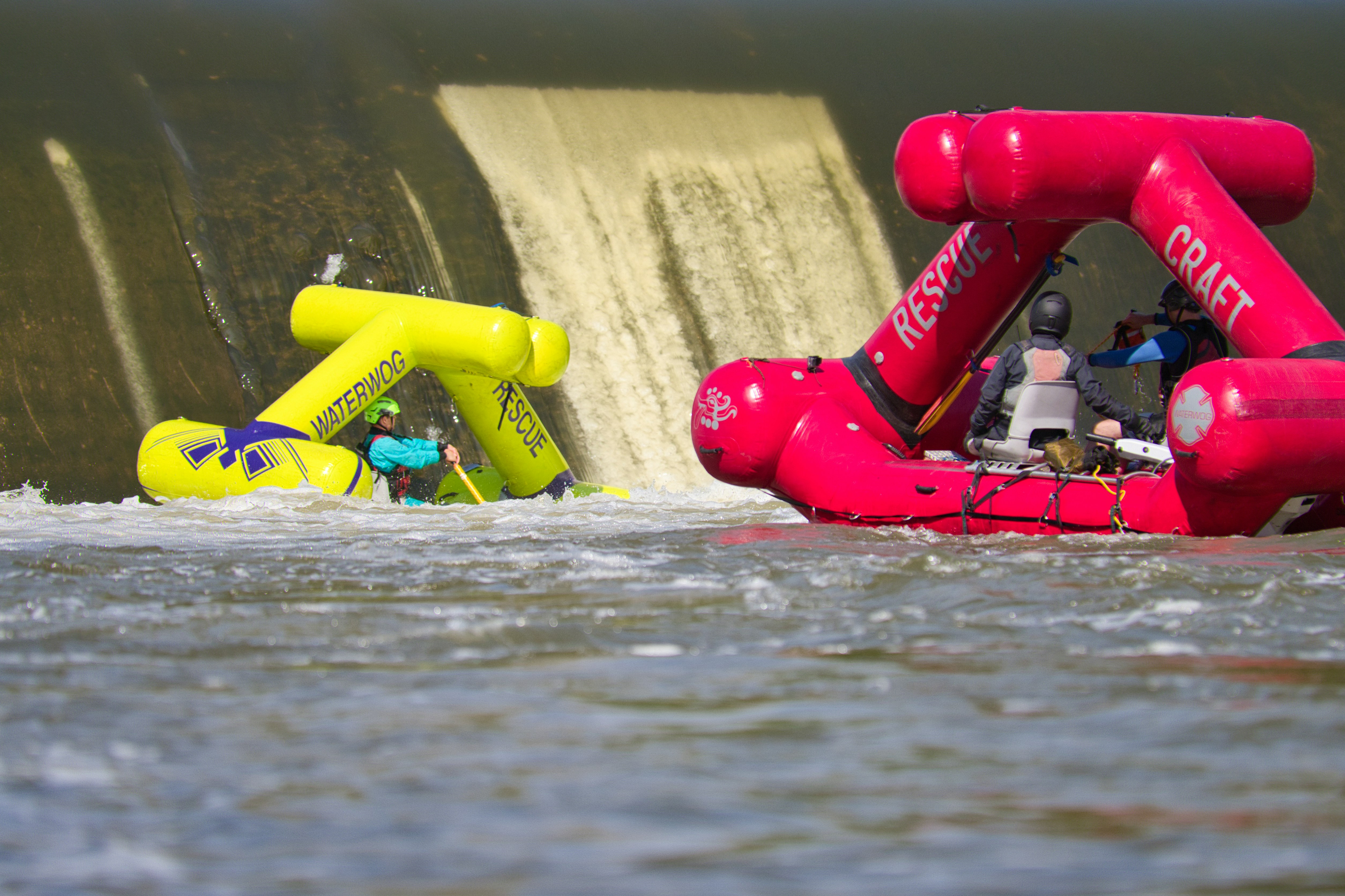
On the ground, responders faced significant challenges due to the severe weather conditions and the rapid escalation of flooding. Many streets were submerged, making access difficult for rescue vehicles. The NYPD utilized high-water rescue vehicles to navigate the hazardous areas while FDNY deployed boats for Swift Water Rescue operations. These specialized teams were instrumental in reaching individuals stranded in their homes and those caught in the flooded areas. Furthermore, due to the unpredictable nature of the flooding, the responders had to continuously assess changing conditions, prioritizing rescues based on urgency and accessibility.
Communication played a vital role during these operations. Residents were urged to use emergency hotlines for reporting distress calls, and the authorities promptly relayed information about safe evacuation routes and shelters. The NYC Office of Emergency Management coordinated with the NYPD and FDNY to ensure a unified response strategy, enhancing the effectiveness of the rescue operations amidst the chaos. Additionally, local hospitals were placed on high alert in anticipation of potential casualties resulting from this environmental disaster.
The combined efforts of emergency responders in dealing with the NYC flooding showcase their dedication and resilience. Although there were numerous challenges, the commitment to rescuing those in peril remained steadfast. As the city begins to recover, the lessons learned from these operations will prove invaluable in preparing for future emergencies.
Long-Term Implications for New York City
The recent severe flooding in New York City has underscored the vulnerabilities of urban infrastructure to extreme weather events. As climate change continues to manifest through unpredictable and intensified weather patterns, the implications for NYC are profound. Authorities are prompted to reassess urban planning strategies and climate preparedness in order to better protect the populace and the city’s assets from the dangers posed by future flooding.
Urban planners and policymakers must prioritize the development of resilient infrastructures that can withstand significant water accumulation. This includes investing in improved drainage systems, upgrading existing sewer lines, and creating green spaces designed to absorb excess water. In many neighborhoods, the risk of flooding has highlighted the urgency of reviewing zoning laws and building codes to ensure they accommodate the realities of a changing climate. Adaptations may also involve elevated construction standards for new buildings and retrofitting older structures to withstand potential inundation.
Additionally, the impacts of NYC flooding extend beyond immediate physical damage. The city must engage in extensive risk assessments to identify vulnerable areas and populations disproportionately affected by floods. Such assessments can inform community outreach programs aimed at raising awareness about preparedness measures and helping residents develop response plans. Integrating technology, such as real-time monitoring systems for stormwater management, can play a crucial role in enhancing the city’s ability to respond swiftly during flooding events.
Overall, the lessons learned from severe flooding in New York City necessitate a holistic approach to climate resiliency. By proactively addressing the systemic vulnerabilities exposed during these climatic events, the city can take significant steps toward safeguarding its communities against the inevitable impacts of future flooding scenarios. Effective planning and investment will not only protect lives but will also secure the economic stability of one of the world’s most iconic urban environments.
Community Support and Solidarity in Tough Times
In the wake of the recent severe flooding that swept through New York City, the community has demonstrated remarkable resilience and unity as residents come together to support one another. The devastating impact of the flooding, which led to the loss of two lives, has prompted an outpouring of compassion, with various neighborhoods coordinating efforts to assist those affected. Local organizations have been at the forefront of these initiatives, providing essential services such as shelter, food distribution, and emotional support to victims of this crisis.
During the immediate response phase of the NYC flooding, many community members volunteered their time to help affected families. Grassroots organizations mobilized quickly, setting up emergency shelters to accommodate those forced from their homes. Additionally, various food banks and donation centers sprang into action, gathering essential supplies and distributing them amongst the hardest-hit areas. The sense of camaraderie was palpable, as volunteers worked tirelessly to ensure that no one felt isolated during this traumatic event.
Moreover, several fundraising campaigns emerged to assist the families impacted by the flooding, particularly those mourning the loss of loved ones. Community members rallied together to organize events, such as charity runs and bake sales, with proceeds directed towards providing financial assistance to the families of the deceased. The communal response has not only centered around immediate assistance but also aimed at fostering long-term recovery efforts, with programs designed to support mental health and provide resources for rebuilding.
The collective effort of the New York City community amid this crisis serves as a reminder of the strength found in solidarity. As the city faces the challenges ahead, it is clear that the spirit of collaboration will play an essential role in recovery and healing.
Conclusion: Lessons Learned from the Flooding Disaster
The recent events surrounding the severe NYC flooding serve as a sobering reminder of the vulnerabilities faced by urban areas in the wake of climate change. Tragically, the loss of two lives highlights the dire consequences of inadequate preparedness in the face of natural disasters. These incidents compel us to reflect on the critical lessons that must be embraced to enhance future responses to similar emergencies.
First and foremost, it is essential to acknowledge the importance of emergency preparedness. Communities must invest in robust infrastructure that can withstand the increasing frequency and severity of flooding events. This includes developing more effective drainage systems, implementing flood barriers, and ensuring that all residents are educated on emergency protocols when severe weather strikes. A key aspect of this preparedness lies in investing resources into public awareness campaigns that prepare citizens for potential risks associated with rising water levels.
Moreover, fostering community resilience is imperative. Local governments should prioritize collaboration with residents to create comprehensive emergency response plans that are accessible and efficient. This includes establishing neighborhood support networks that can mobilize quickly to assist vulnerable populations during flooding events. Engaging the community in discussions about risk management and adaptation strategies can significantly contribute to building a more resilient urban environment.
Lastly, addressing climate change on a broader scale must remain a priority. Policymakers must advocate for sustainable practices that aim to mitigate the effects of climate change, thereby reducing the occurrence of extreme flooding events in NYC and similar urban centers. By integrating climate resilience into city planning and continually updating strategies based on scientific research, we can better protect lives and property from the devastating effects of future flooding. Collectively, these lessons remind us of the urgent need for proactive measures to safeguard our communities against the realities of an evolving climate.

At TodayResearcher, we bring you stories that matter. Covering everything from breaking news and world events to lifestyle, entertainment, science, and culture, our editorial team is dedicated to delivering accurate, insightful, and engaging content. We aim to keep readers informed, inspired, and curious about the world around them.