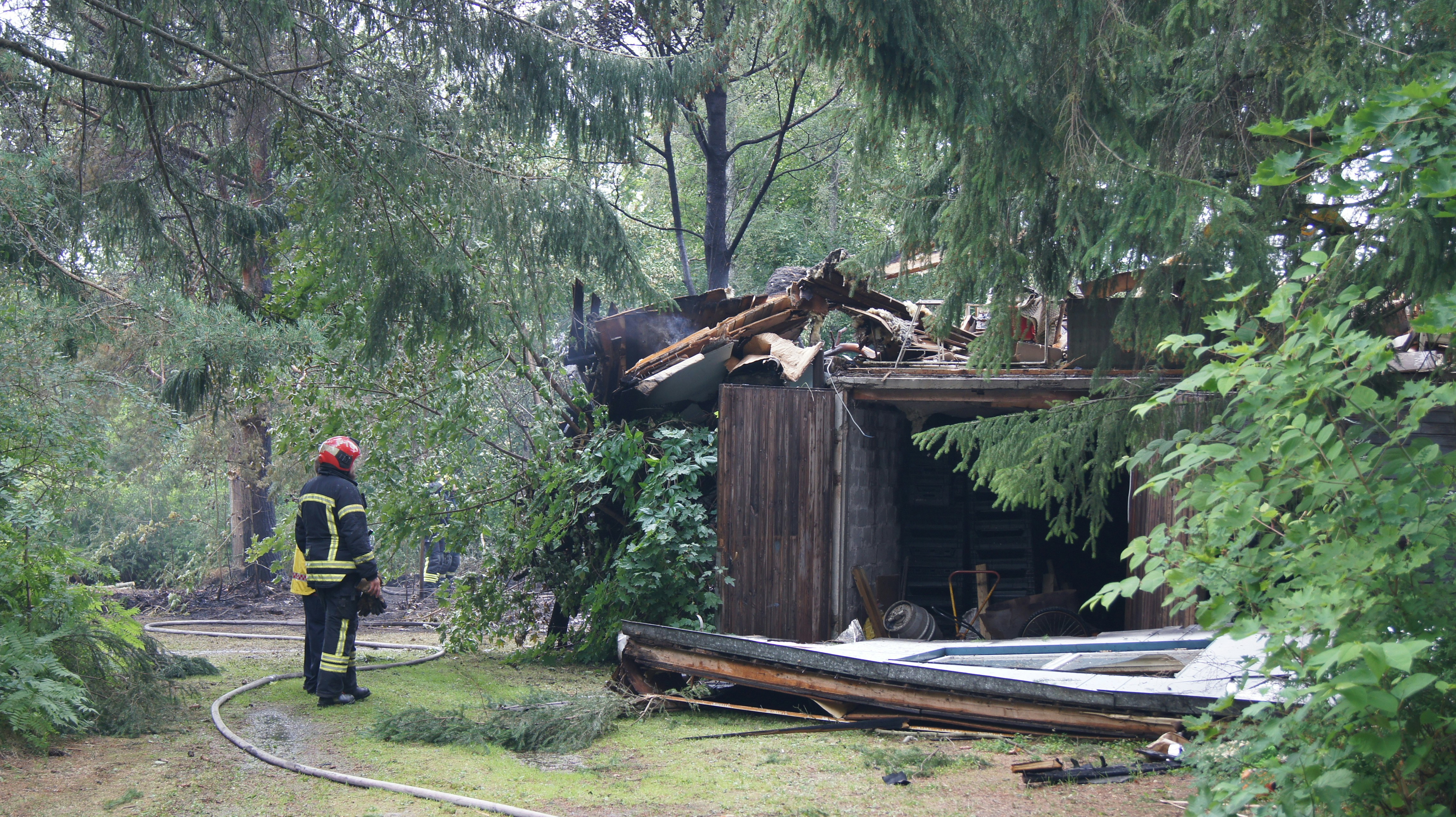
Overview of the Disaster
On the evening of October 14, 2023, a catastrophic fire erupted in the densely populated Tai Po district of Hong Kong. The blaze began around 7:00 PM local time in a multi-story residential building. Initial reports indicate that the fire may have originated from an electrical malfunction, quickly spreading and engulfing several floors. Witnesses described seeing flames and thick black smoke pouring from the windows, with the fire seemingly fueled by high winds that evening. Emergency services were promptly alerted, and firefighting crews arrived on the scene within minutes.
Despite their swift response, the scale of the inferno proved overwhelming. By the time the fire was extinguished at around 10:30 PM, extensive damage had occurred. Several units within the structure were completely destroyed, and the inferno ultimately claimed the lives of at least thirty residents. Reports also indicated that more than fifty individuals sustained injuries, ranging from smoke inhalation to severe burns, necessitating immediate medical attention. Tragically, as the night unfolded, around one hundred individuals were reported missing, prompting a huge outpouring of concern within the local community.
Rescue efforts were launched almost immediately, with teams scouring the charred ruins in hopes of locating those unaccounted for. The search continued throughout the night and into the following days, with volunteers joining the rescue services to assist in the grim task. The local community reacted with shock and despair as more details surrounding the tragedy emerged. Fundraisers and support initiatives were organized almost instantly, highlighting the solidarity among residents in the face of this overwhelming disaster. The fire not only represented a devastating loss of life but also a profound impact on a community, leaving many families mourning their loved ones and searching for answers amidst the chaos.
Emergency Response and Recovery Efforts
In the aftermath of the catastrophic fire that engulfed parts of Hong Kong, a coordinated response was swiftly initiated by the Hong Kong Fire Department and other emergency services. The initial priority was to control the inferno, which posed significant challenges due to the intensity of the flames and the risk of structural collapse. Firefighters, equipped with specialized gear, battled the blaze with an array of firefighting techniques, utilizing water jets from aerial platforms and fire hoses strategically deployed throughout the area.
As the fire raged on, rescue teams faced additional obstacles, including adverse weather conditions and limited access to certain zones, which hampered their efforts to search for potential survivors. Despite these challenges, the rescue operations proceeded with unwavering determination, showcasing the bravery and skill of the emergency personnel at the scene. Concurrently, local hospitals prepared to receive injured individuals, while medical teams were on standby to provide immediate care.
Evacuation procedures were paramount in ensuring the safety of residents in nearby areas. Emergency notifications were sent out through various channels, alerting the public about the situation and advising them to evacuate. Temporary shelters were established for those displaced by the fire, where community organizers and volunteers collaborated to provide food, clothing, and psychological support. These shelters became crucial sanctuaries, offering a safe space for affected individuals and families as they navigated the uncertainty of their circumstances.
Community initiatives have also emerged in the wake of this tragedy, with local organizations rallying to support those impacted by the fire. Fundraising events, donation drives, and outreach programs are being implemented to foster resilience and aid recovery for the individuals and families that have suffered great losses. As the firefighting and rescue efforts continue, these community-driven initiatives highlight the spirit of solidarity that often surfaces in times of crisis.
Investigation and Accountability
The recent fire tragedy in Hong Kong has prompted an extensive investigation into its causes, particularly focusing on the materials utilized in the construction and renovation of the affected building. Early reports indicate that the flammable materials could have significantly exacerbated the intensity and speed of the fire, which led to devastating consequences, including loss of life and hundreds missing. As investigators sift through the debris, they are particularly scrutinizing the compliance of construction practices with safety regulations, as well as the specific types of building materials that were employed during the construction process.
In a significant development, police have made several arrests, including three construction executives who face serious charges of manslaughter and gross negligence. These arrests highlight the growing emphasis on accountability in the aftermath of such disastrous events. The implications of these charges extend beyond individual responsibility; they also underscore the necessity for implementing stringent safety regulations in the construction industry. The outcome of this investigation could pave the way for reforms aimed at preventing similar tragedies in the future.
This incident serves as a collective wake-up call regarding the importance of maintaining safety standards in buildings, particularly in densely populated areas such as Hong Kong. Regulatory bodies may be compelled to review and reinforce existing safety codes, ensuring that all materials used in residential and commercial properties meet rigorous safety criteria. The need for accountability cannot be overstated, as it influences public trust in regulatory frameworks and embodies the principle that negligence will not be tolerated. Moving forward, the focus must remain on creating environments that are safe for all residents, preventing tragedies from reoccurring.
Community Impact and Future Considerations
The recent fire tragedy in Hong Kong has left profound scars on the local community in Tai Po and the broader region. The emotional and psychological toll endured by survivors and the families of victims is immeasurable. Many individuals face not only immediate distress from the loss but also long-term psychological repercussions, such as post-traumatic stress disorder (PTSD), anxiety, and depression. Grieving families are struggling to process their sorrow while grappling with the implications of such a catastrophic event on their social fabric. The communal sense of safety has been severely shaken, leading to heightened anxiety within the community.
In the wake of the tragedy, there has been a remarkable outpouring of support from volunteers and humanitarian organizations in Hong Kong. Individuals have come together, transcending various societal divisions, to provide assistance to those affected. Volunteer groups have organized donation drives, providing food, clothing, and emotional support to the displaced survivors. This strong sense of communal solidarity is a beacon of hope amid chaos, highlighting the resilience of the Hong Kong community.
Moreover, this incident raises critical policy considerations regarding building safety standards and emergency preparedness within the region. The fire disaster serves as a stark reminder of the potential risks inherent in inadequate safety measures. There is an urgent need to reassess and reform existing regulations to enhance the structural safety of buildings. Additionally, emergency preparedness plans must be streamlined to ensure that communities are better equipped to respond to future emergencies. By addressing these areas, there is a potential to foster resilience within the community, transforming tragedy into a catalyst for positive change and reinforcing the commitment to protecting lives in the future.

At TodayResearcher, we bring you stories that matter. Covering everything from breaking news and world events to lifestyle, entertainment, science, and culture, our editorial team is dedicated to delivering accurate, insightful, and engaging content. We aim to keep readers informed, inspired, and curious about the world around them.