Introduction: The Unfolding Protests
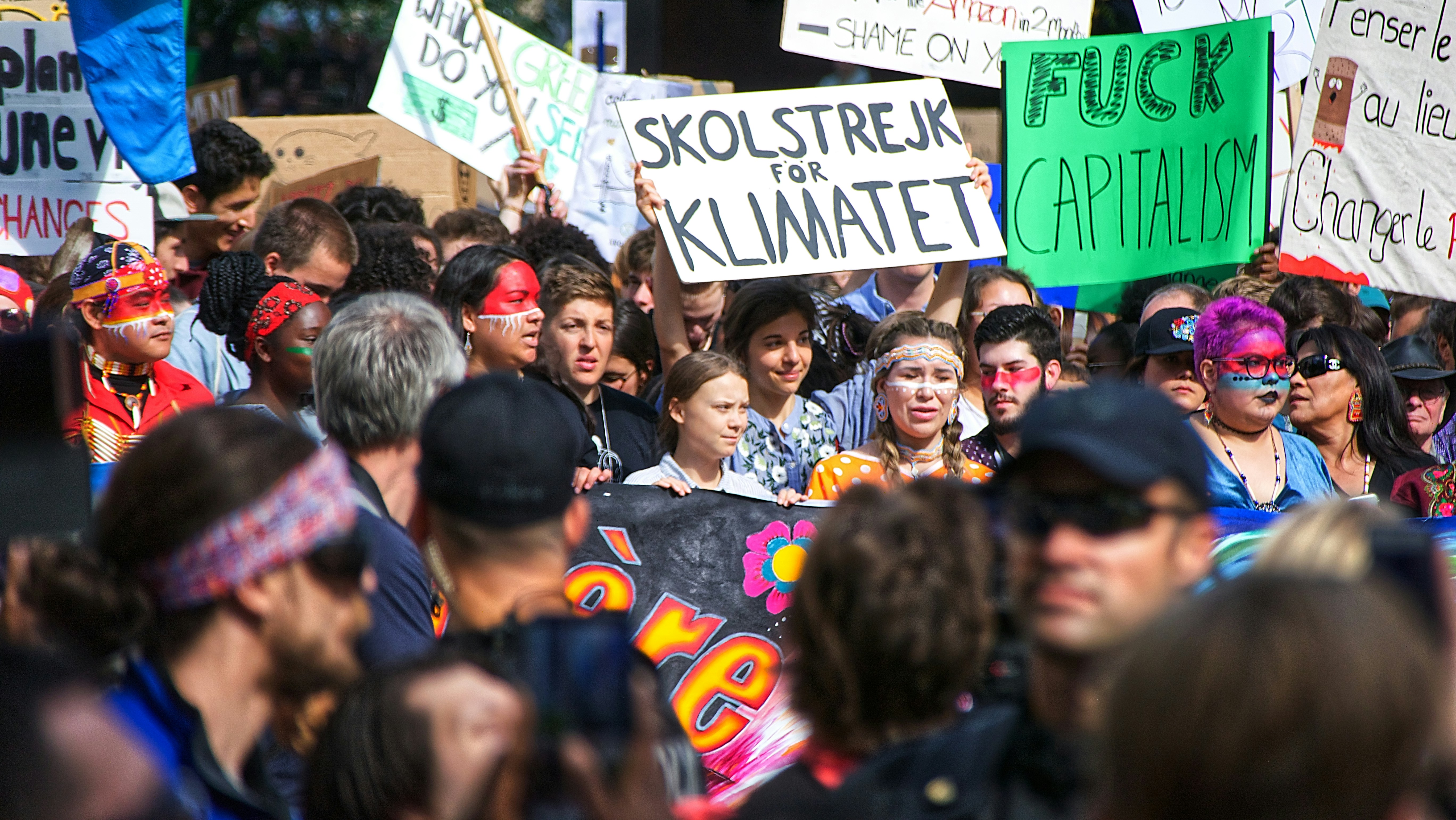
The recent emergence of large-scale protests against the Trump administration has marked a significant moment in the ongoing struggle for democratic values in the United States. Known collectively as the “No Kings” rallies, these protests represent the third iteration of a grassroots movement that seeks to challenge authoritarianism and restore accountability within the government. This series of demonstrations has garnered widespread participation, drawing individuals from diverse backgrounds who are united in their demand for transparency and respect for civil liberties.
The historical context of these protests is crucial to understanding their impact. The first “No Kings” rally can be traced back to earlier movements, which emerged in reaction to perceived governmental overreach and breaches of democratic norms. Each iteration has been driven by deep-seated frustrations with leadership that, many contend, has strayed from the principles of justice and equality. The latest protests have received heightened attention not only for their size but also for the fervent mobilization of citizens who are committed to ensuring that their voices are heard in the face of perceived tyranny.
As the protests unfold, the sheer scale and passion of the participants highlight a growing disillusionment with the current political climate. Citizens are increasingly aware of their rights and are willing to take a stand against actions they view as oppressive or unjust. This collective consciousness reinforces the notion that governance should be a reflection of the people’s will, rather than a top-down imposition by those in power. With each rally, the call for dignity, equality, and democratic representation resounds louder, striking a chord with many who seek to reclaim their agency within the political system.
Background: The No Kings Movement
The ‘No Kings’ movement emerged in the early 2020s as a grassroots response to perceived governmental overreach and autocratic governance. It was founded by a diverse coalition of activists, scholars, and ordinary citizens who united under a common goal: to resist tyranny and advocate for a more equitable society. The name ‘No Kings’ symbolizes a rejection of authoritarian rule, emphasizing the belief that no individual should hold absolute power over others.
At its core, the movement promotes principles of democracy, transparency, and accountability. The founders strongly believe that governance should be a collective effort, representing the will of the people rather than the interests of a select few. This ideology is rooted in a rich historical context of resistance to tyranny, drawing inspiration from past movements that have fought for civil liberties and human rights.
Previous rallies organized by the ‘No Kings’ movement have significantly influenced its current momentum. These events often see thousands of participants wielding banners and chanting slogans that emphasize unity and equality. Each rally aims not only to voice dissent against current governmental policies but also to foster a sense of community among attendees. The movement’s early demonstrations highlighted specific grievances such as economic disparity, police brutality, and lack of political representation, showcasing a wide array of issues that resonate with the populace.
As the ‘No Kings’ movement gained traction, it expanded its goals to include educational initiatives and community-building activities. These initiatives focus on raising awareness about democratic values and empowering citizens to engage in political discourse. Through these efforts, the movement aims to create an informed electorate that can effectively challenge tyranny and advocate for justice.
The Grievances: What Are Protestors Opposing?
The rise of No Kings Rallies has been significantly fueled by a host of grievances that resonate deeply with various segments of the population. Chief among these issues are specific immigration policies that many protestors see as unjust and discriminatory. The treatment of immigrants, especially those seeking asylum, has raised concerns about human rights violations and the overarching implications of a stringent immigration framework. Protestors argue that these policies do not reflect the values of equality and justice that many believe the nation stands for.
Furthermore, military actions against Iran have intensified feelings of dissent among those who advocate for peace and diplomatic engagements. The decision to employ military force rather than negotiate has drawn ire, as many view it as a continuation of a broader imperialist agenda. Protestors highlight the potential for escalation into conflict and stress the importance of prioritizing dialogue over military intervention. This sentiment is particularly prominent among younger generations who insist on a more pacifistic approach to international relations.
Lastly, the rising cost of living has created another urgent grievance that has galvanized crowds in protest. In recent years, many citizens have found it increasingly challenging to make ends meet, with sharp rises in housing costs, healthcare, and basic necessities sharply affecting their quality of life. The feeling of economic disenfranchisement has prompted calls for systemic change, as protestors demand economic reform and better social support systems to tackle these pressing issues. Collectively, these grievances illustrate the multifaceted demands of the protest movement, with a clear call for justice, peace, and significant policy changes that align with the principles of liberty and equality.
The Scale of the Protests: An Estimate on Participation
The recent No Kings rallies have marked a significant point in the landscape of civic activism, with organizers reporting participation figures that range astonishingly high. Claims suggest that over eight million individuals joined these protests, reflecting a monumental show of solidarity against perceived tyranny. Such a turnout, if accurate, not only underscores public discontent but also signifies an unprecedented level of political engagement among citizens.
These figures, however, are subject to scrutiny. Different methodologies for counting participants can lead to varying estimates, with some independent observers suggesting that the turnout was lower than claimed. Nevertheless, the sheer volume of participants reported indicates that a substantial portion of the population feels compelled to assert their rights and express their discontent with the current regime. This level of mobilization can be seen as a response to a range of factors including economic challenges, social injustice, and political repression.
The implications of such massive turnout extend beyond mere numbers; they demonstrate a collective consciousness among the populace. The large-scale participation in the No Kings rallies showcases an increasing awareness of civic responsibility and a rejection of authoritarian rule. As citizens rally together, their unified voice becomes a powerful tool in advocating for change, drawing attention to social issues that affect them all. The act of gathering en masse fosters a sense of community and shared purpose, further strengthening the resolve of the participants and potentially inspiring others to join similar movements.
In light of these developments, it is essential to consider these figures not just as statistics, but as a reflection of a society increasingly willing to confront oppression. The success of these rallies, regardless of final participant counts, signals an evolving political landscape where the demand for accountability and transparency becomes impossible to ignore.
Voices from the Ground: Interviews and Perspectives
The No Kings Rallies have emerged as a powerful catalyst for change, garnering widespread participation and support across the nation. Engaging with individuals who took part in these demonstrations reveals a myriad of personal stories and motivations that illustrate the depth of feeling surrounding the movement against tyranny.
One protester, Maria, passionately described her experience: “For me, it was a turning point; I can no longer stand by while our rights are violated. Being part of the No Kings Rallies made me feel part of something larger, something that resonates with my values of freedom and justice.” Her perspective reflects a common sentiment among participants who feel empowered by collective action.
Similarly, John, a university student, expressed his thoughts on the significance of these gatherings. “When I see thousands of people united, it reminds me that we are all interconnected,” he stated. “The rallies aren’t just about opposing oppression; they represent our shared hope for a more inclusive and equitable society. It motivates me to think about the future we want to build together.” John’s enthusiasm highlights how the rallies foster solidarity among individuals from diverse backgrounds.
Another individual, Ahmed, who has witnessed political turmoil firsthand, shared his journey: “Growing up under tyranny, I always feared for my future. Joining the No Kings Rallies was a liberating experience, a chance to reclaim my voice. Each chant and combined effort showed me that we can challenge injustices together.” Ahmed’s journey underscores the resilience and determination of those involved in the movement.
The voices of those who participated in the No Kings Rallies serve as a testament to the widespread desire for change. Each individual story not only enriches the narrative of the protests but also emphasizes the collective impact of standing against tyranny. These experiences will undoubtedly shape the momentum of future endeavors for democracy and rights within the nation.
Response from the Trump Administration
The protests characterized as No Kings Rallies have prompted a significant response from the Trump administration, particularly in terms of how they frame the narrative surrounding these events. Official spokespersons have emphasized a dialogue of law and order, suggesting that while the administration respects the right to assembly and free speech, it condemns any form of violence or vandalism that may accompany the protests.
In various press briefings, White House officials have portrayed the No Kings Rallies as predominantly peaceful demonstrations, while simultaneously underscoring the need for maintaining public safety. They have called for unity and understanding, urging protesters to express their grievances without resorting to disruptive tactics. This stance aims to project an image of responsiveness to citizens’ concerns while also reinforcing the administration’s commitment to enforcing law and order.
Moreover, the Trump administration has sought to highlight the positive aspects of the rallies by stating that they represent a healthy expression of democratic values. While they acknowledge the discontent that has sparked the protests, the administration often positions these events as a rallying cry for a patriotic response against perceived tyranny. This narrative aims to resonate with the administration’s base, painting a picture of the protests as a movement driven not just by discontent, but also by an overwhelming desire for freedom and autonomy.
The official response continues to be a balancing act, as the administration navigates between acknowledging the protesters’ frustrations and promoting a message of stability and security. As the situation evolves, it remains critical to monitor how the government’s response shifts in relation to public sentiment and ongoing developments within the protests.
Media Coverage: The Role of the Press
The rise of No Kings rallies has garnered significant media attention, which plays a pivotal role in shaping public perception of these events. Various news outlets have approached the coverage of the protests from different angles, reflecting diverse political leanings and editorial priorities. Some major networks present the protests as a grassroots uprising against tyranny, emphasizing the demographic diversity of participants and their unified message for democracy. These portrayals generally resonate with audiences who view the movement as a legitimate challenge to authoritarian governance.
However, critical assessments have arisen regarding how the media interprets and reports on the No Kings rallies. Detractors argue that certain outlets might skew coverage, either portraying protestors as chaotic and disruptive or downplaying the significance of the movement altogether. For example, less sympathetic reports may focus disproportionately on incidents of violence or unrest, thus framing the rallies in a negative light. This dichotomy in news reporting sparks debates about journalistic responsibility and the need for balanced coverage in politically charged environments.
In recent times, independent media platforms and social media channels have gained prominence as they offer alternative narratives about the protests. These platforms often highlight the perspectives of participants and provide real-time updates that challenge mainstream media renderings. The increasing reliance on citizen journalism reflects a shift towards a more participatory form of news dissemination, allowing for a broader variety of voices to contribute to the discourse surrounding the No Kings rallies.
Ultimately, the media’s portrayal of these protests not only influences public opinion but also impacts the extent to which the grievances voiced during the rallies are acknowledged in the political arena. As the movement continues to develop, ongoing scrutiny of the media’s role in coverage will be crucial to understanding its evolution.
Comparative Analysis: Protests and Political Change
Historically, protests in the United States have served as a vital mechanism for civil engagement, pushing for significant political change. One of the most notable instances is the civil rights movement of the 1960s, which facilitated monumental legislative changes, such as the Civil Rights Act of 1964 and the Voting Rights Act of 1965. The impact of these peaceful protests, rooted in a deep desire for equality, resonates through subsequent movements, illustrating the power of organized resistance against systemic oppression.
An earlier example can be drawn from the American Revolution, where colonists resisted British rule, leading to the establishment of a new political framework. This period showcased the necessity of collective action as a means to challenge tyranny, setting a profound precedent that has encouraged future generations to advocate for their rights. The revolutionary spirit is echoed in later protests, such as the anti-Vietnam War demonstrations in the 1970s, which played a crucial role in swaying public opinion and ultimately influenced U.S. foreign policy.
Drawing parallels between these historical protests and today’s “No Kings Rallies,” one can observe a persistent theme: the struggle against perceived tyranny and the demand for accountability. Each movement, while distinct in its context and execution, shares an underlying objective of empowering citizens. The lessons gleaned from past events suggest that sustained activism and public engagement can indeed reshape political landscapes. The recent rise in citizen-led movements emphasizes the role of grassroots organizing in effecting change and fostering democratic ideals.
As the nation navigates contemporary challenges, understanding the dynamic interplay between protests and political evolution remains critical. Historical insights can inform future strategies, ensuring that the collective voices of the populace continue to resonate in the corridors of power.
Conclusion: The Future of Activism in America
As we navigate the complexities of the contemporary political landscape, the rise of grassroots movements, such as the No Kings Rallies, serves as a pivotal response to perceived tyranny. These gatherings exemplify a renewed commitment to civil liberties and political engagement among citizens, igniting conversations about governance and community empowerment. The evolution of activism in America indicates a shift toward collective action that prioritizes the voices of ordinary individuals rather than elite establishments.
The ongoing political climate highlights the necessity for sustained activism, as the actions taken today will influence future policies and societal norms. Grassroots movements are not merely responses to immediate injustices; they are long-term commitments to fostering a more equitable society. By uniting under common goals, participants in such movements equip themselves with the tools to advocate for systemic change, thereby reshaping public opinion and political agendas.
Moreover, the increasing accessibility of communication tools amplifies the reach of these movements, facilitating the mobilization of diverse communities. Social media platforms and online forums allow activists to organize rapidly and efficiently, creating networks that transcend geographical boundaries. As a result, the narrative of activism is being rewritten, with a focus on inclusivity and representation.
In reflection, the future of activism in America appears dynamic and potent. The sustained commitment to addressing tyranny through peaceful demonstrations underscores the enduring belief that collective action can effect meaningful change. As the No Kings Rallies exemplify, the spirit of activism is alive and well, and its evolution will continue to shape the course of American democracy.

At TodayResearcher, we bring you stories that matter. Covering everything from breaking news and world events to lifestyle, entertainment, science, and culture, our editorial team is dedicated to delivering accurate, insightful, and engaging content. We aim to keep readers informed, inspired, and curious about the world around them.