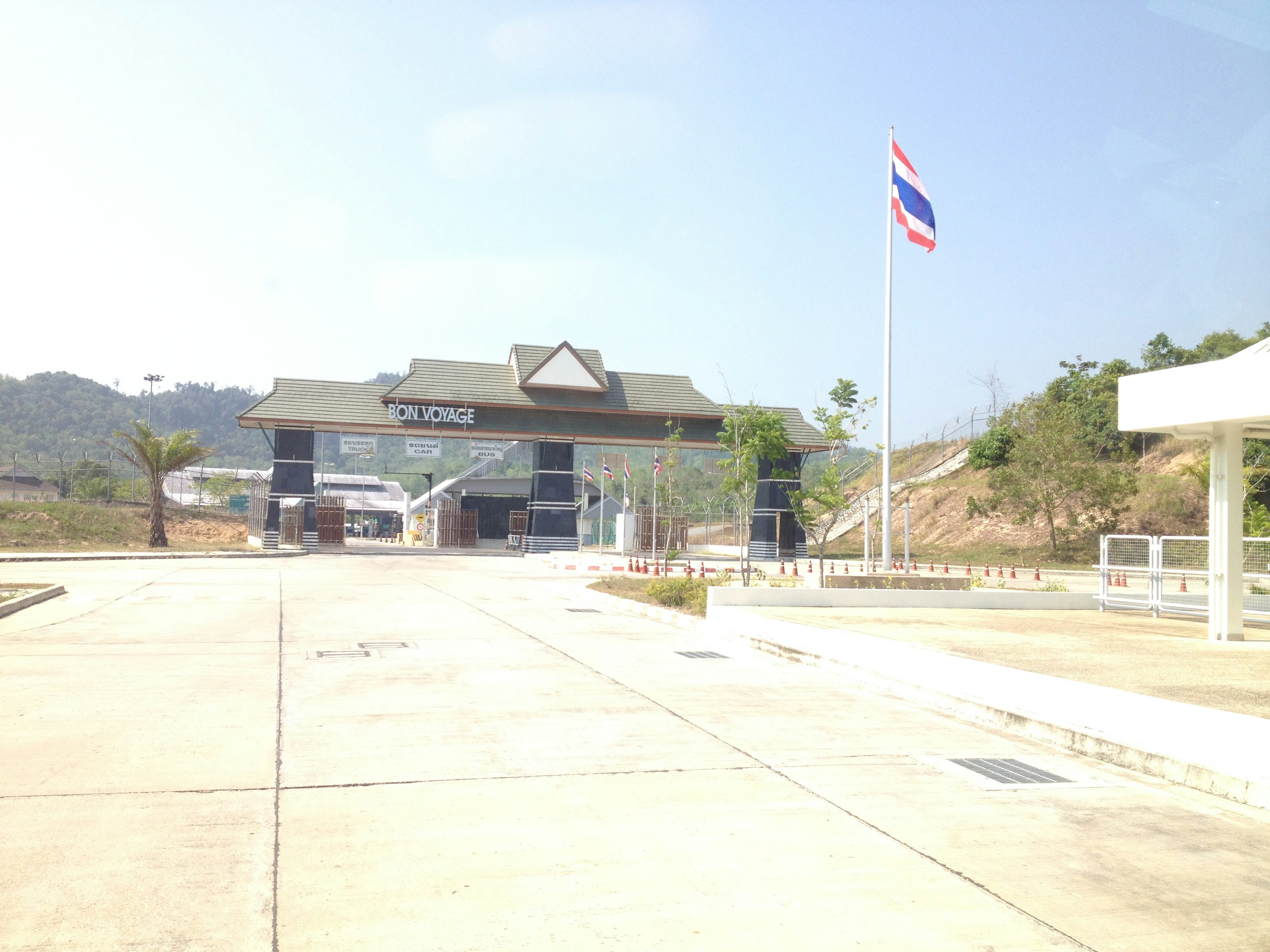
Background of Thailand-Cambodia Relations
The historical relations between Thailand and Cambodia have been characterized by a complex interplay of cooperation and conflict, primarily stemming from territorial disputes. These disputes have largely revolved around areas rich in cultural significance and natural resources, notably the border surrounding the Preah Vihear Temple. The temple, classified as a UNESCO World Heritage Site, has been a focal point in the longstanding contest for sovereignty, leading to numerous confrontations between the two nations.
Throughout the years, both Thailand and Cambodia have engaged in various diplomatic efforts to mitigate tensions. Notably, the Kritsada Agreement of 1992 was an early attempt to define borders and reduce military presences along the disputed areas. However, the negotiations have often been complicated by nationalist sentiments on both sides, fueling sporadic skirmishes and military confrontations. The most significant of these occurred in 2011, resulting in casualties and strained bilateral relations.
In response to escalating tensions, international mediation efforts emerged, most prominently through the Kuala Lumpur Peace Accords. Brokers such as the United States, Malaysia, and China played vital roles in facilitating dialogue between the two nations. These accords aimed to establish a framework for peaceful resolution, emphasizing the need for dialogue and cooperation, especially in light of the historical and cultural ties that bind both countries. Despite these efforts, the underlying issues remained unresolved, prompting recurring conflicts that underscore the fragility of peace in the region.
As recent events unfolded, culminating in Thailand’s suspension of the ceasefire pact with Cambodia, the intricacies of their relations have come to the forefront once again. The cycle of negotiation and confrontation illustrates the ongoing challenge of achieving long-term stability in Thailand-Cambodia relations.
Recent Escalation of Conflicts
The recent escalation of conflicts along the Thailand-Cambodia border has raised alarming concerns regarding regional stability and civilian safety. This renewed wave of violence can be traced back to a series of incidents that have intensified tensions between these two neighboring nations. A particularly significant event occurred when a Thai soldier was injured due to an explosion caused by a landmine, a situation that not only escalates the conflict but also highlights the dangers faced by military personnel in this contested area.
The injury sustained by the soldier from Thailand has led to accusations from both sides regarding the intentional placement of landmines. Reports indicate that both Thailand and Cambodia have faced each other with serious allegations of violating agreements and using landmines as a strategy in their territorial disputes. The presence of these explosive devices has become a major humanitarian concern, threatening the lives of not only military figures but also local inhabitants who reside near the border. As both governments attempt to gain the upper hand, concerns grow about the potential humanitarian crises resulting from the use of such devices.
This recent flare-up of violence is symptomatic of deeper-rooted issues that have historically plagued the relationship between Thailand and Cambodia. The geopolitical significance of the disputed territories not only affects bilateral relations but has broader implications for regional diplomacy. As international observers pay close attention to these developments, it is clear that the ongoing tensions pose substantial risks to the peace and stability of Southeast Asia. The situation remains fluid, and the potential for further clashes means that diplomatic efforts are urgently needed to mitigate these conflicts for the safety of civilians and the maintenance of regional order.
Consequences of Ceasefire Suspension
The suspension of the ceasefire pact between Thailand and Cambodia is poised to trigger a series of immediate and significant consequences that could reshape the landscape of military engagement in the region. This decision reinstates the potential for heightened military tensions along the border, raising concerns about skirmishes or conflicts that could escalate rapidly. Both nations risk mobilizing additional troops, resulting in an arms build-up and further retaliatory measures that may lead to an unstable security situation. Such military posturing could have dire implications not only for peace efforts but also for the safety of civilians residing in these border areas.
The diplomatic implications are equally significant, as this suspension reflects a deterioration in relations between Thailand and Cambodia. Previous engagements, which had aimed at fostering cooperation and resolving disputes peacefully, now appear jeopardized. Diplomatic dialogue may be replaced with hostility, complicating efforts by international partners to mediate between the two nations. Observers are likely to interpret this decision as a rejection of collaborative frameworks designed to promote stability in Southeast Asia, potentially isolating either country within regional and international diplomatic circles.
Civilians in the border regions will likely bear the brunt of this renewed tension. Heightened military activity could disrupt daily life and hinder access to vital resources and services. The humanitarian implications could further strain local communities already grappling with economic and social challenges. The international community’s response to these developments will be critical. Countries invested in the stability of Southeast Asia might call for restraint and a return to negotiation, emphasizing the potential consequences for bilateral trade relations which have been structured on previously established agreements and frameworks.
In conclusion, the suspension of the ceasefire pact represents a pivotal moment that could destabilize the region, affecting military engagement, diplomatic relations, and the lives of civilians, while also garnering international concern regarding its broader implications for thailand cambodia relations.
Future Outlook for Thailand-Cambodia Relations
The relationship between Thailand and Cambodia has historically been complex, characterized by periods of both cooperation and tension. Given the recent suspension of the ceasefire pact, the future of Thailand-Cambodia relations appears precarious. Various scenarios may unfold in the coming months, each with implications for regional stability and bilateral ties.
One potential outcome could involve an escalation of tensions, especially if nationalistic sentiments continue to rise within both countries. For instance, if border disputes or historical grievances reignite, this might result in increased military posturing or even armed confrontations. Such developments could draw the attention of neighboring countries and international organizations seeking to mediate or intervene, thereby complicating the already delicate situation. Additionally, if either country resorts to diplomatic isolation tactics, this could exacerbate the existing rifts and hinder collaborative efforts aimed at conflict resolution.
Conversely, there exists the possibility for de-escalation, particularly if both governments recognize the need for stability and economic cooperation. Engaging in dialogues focused on shared interests, such as trade and tourism, might pave the way for improved relations. Other countries, such as ASEAN members, could play a mediating role, encouraging both parties to resume negotiations aimed at resolving outstanding disputes amicably. Initiating backchannel discussions could facilitate trust-building and mitigate hostilities.
Challenges remain, including ensuring that domestic political pressures do not hinder progress towards peace. Civilian communities are often caught in the crossfire of such tensions, underscoring the urgency for peacekeeping measures. Sustained efforts towards dialogue and renewed negotiations will be essential to secure lasting peace and harmony in this geopolitically significant region. Only through dedicated efforts can Thailand and Cambodia navigate their path towards mutual understanding and a stable future.

At TodayResearcher, we bring you stories that matter. Covering everything from breaking news and world events to lifestyle, entertainment, science, and culture, our editorial team is dedicated to delivering accurate, insightful, and engaging content. We aim to keep readers informed, inspired, and curious about the world around them.