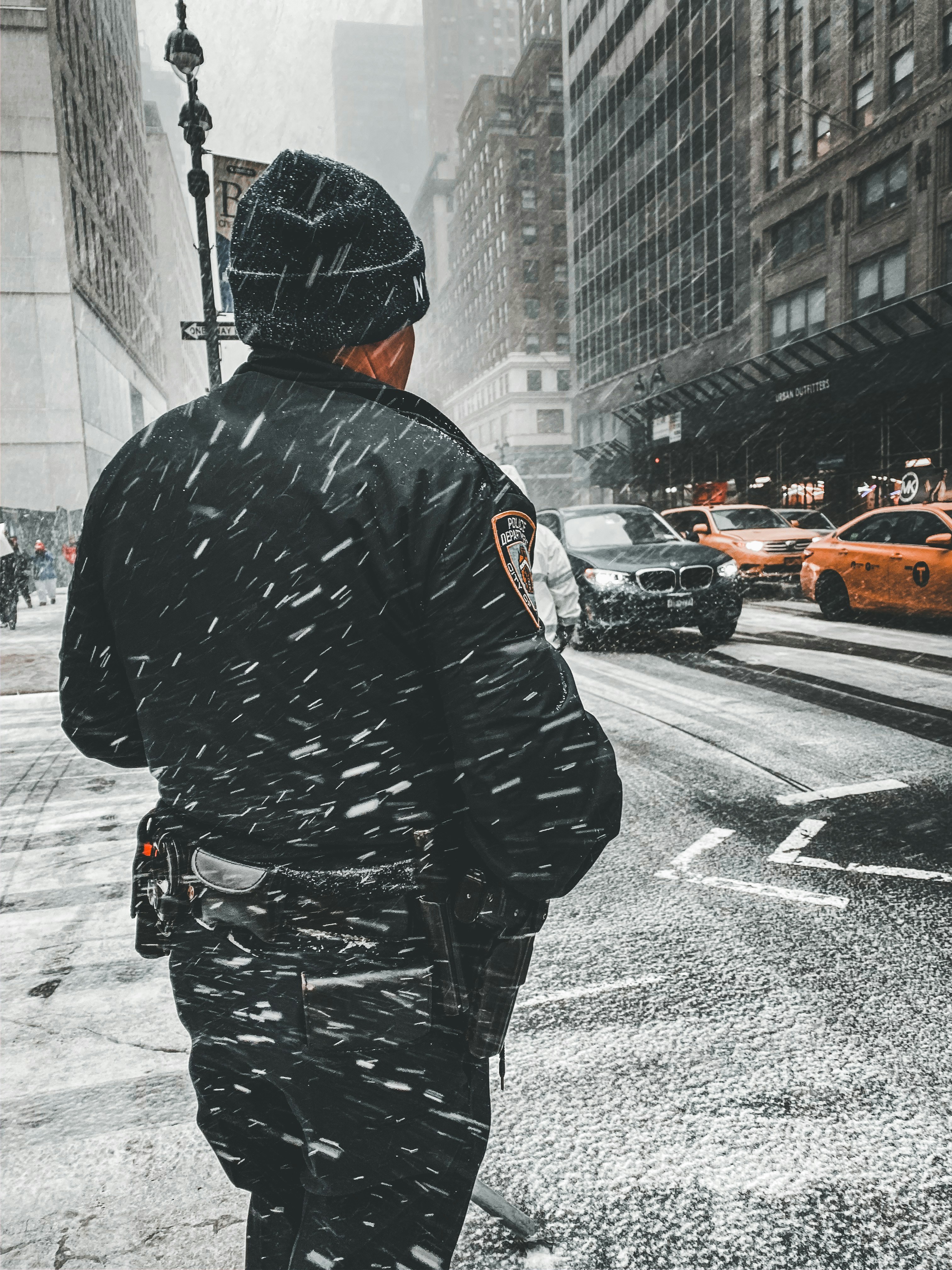
Overview of the Winter Storm’s Impact
The recent winter storm that swept across various regions of the United States has left a significant mark, characterized by its severity and wide-ranging effects. This tumultuous weather event has resulted in a pronounced loss of life, with the number of confirmed fatalities reaching alarming rates, prompting not only national attention but also local community responses. The areas most affected include the Midwest and parts of the Northeast, where citizens were faced with treacherous conditions including heavy snowfall, freezing rain, and dangerously low temperatures.
In addition to tragic human consequences, the storm has severely disrupted daily activities, leading to widespread power outages that have left thousands without heat or electricity. Utility companies have reported ongoing challenges in restoring power, primarily due to hazardous conditions that hinder repair efforts. As a result, many communities are rallying together, sharing resources and offering assistance to those in need, which showcases the resilience and solidarity that often emerge in times of crisis.
Furthermore, the impact of this winter storm has extended beyond personal safety and community support; it has significantly affected transportation systems, resulting in extensive flight cancellations and delays across major airports. Airlines have struggled to manage the backlog, and travelers have been left stranded as they attempt to navigate booking alternatives during this challenging period. Emergency services have been deployed in various locales to manage the situation, ensuring that stranded individuals receive the support they require.
This multifaceted impact highlights the critical need for preparedness and community support in the face of extreme weather events. The responsiveness of emergency services and the sense of camaraderie among residents are integral to overcoming the adversities presented by such formidable winter storms.
Fatalities and Investigations: A Closer Look
The recent winter storm has tragically claimed eight lives in New York City, shedding light on the perils faced by the city’s residents during extreme weather events. The circumstances surrounding these fatalities have prompted a thorough investigation by the New York Police Department (NYPD). Preliminary reports suggest that incidents ranged from severe hypothermia cases to accidents caused by hazardous conditions, including icy roads and snow accumulations.
City officials have expressed their condolences and emphasized the need for immediate action to address safety concerns. Mayor Eric Adams highlighted that the city is mobilizing resources to ensure the safety of its residents, particularly those in vulnerable situations. As the storm unveiled the stark realities of winter survival, community services also stepped up their outreach efforts to assist those in need, including the homeless population who are at greater risk during inclement weather.
The NYPD’s ongoing investigations aim to determine the specific circumstances surrounding each death, with a focus on improving emergency responses to prevent such tragedies in the future. City authorities have also emphasized the importance of maintaining and improving infrastructure to enhance safety during winter storms. Vulnerable populations, including the elderly and homeless, are especially susceptible to these severe weather conditions, necessitating a comprehensive approach to disaster management and response.
As this investigation unfolds, it reveals the broader implications of winter storms on public safety and the critical need for effective emergency management policies. The city is reminded of the importance of preparedness and swift responses to protect not only the general populace but particularly those most at risk during these extreme weather events. This incident serves as a stark reminder of the devastating impact that severe winter weather can have on communities.
Power Outages: Causes and Consequences
The recent winter storm has wreaked havoc across many regions, leading to widespread power outages that have left thousands of homes without essential electricity. The primary causes of these outages can be attributed to the combination of heavy snowfall, ice accumulation, and powerful winds. These elements have taken a toll on energy infrastructure, causing damage to power lines, transformers, and even substations. As utility companies struggled to manage these challenges, the number of households affected escalated rapidly, reaching staggering figures within a matter of hours.
Reports indicate that at the peak of the storm, over a million households were without power, forcing residents into uncomfortable and, at times, perilous situations. Without heat and electricity, individuals and families faced freezing temperatures, limited access to food, and a lack of communication. This has been particularly concerning for vulnerable populations, such as the elderly and those with medical conditions reliant on power for their health devices.
Efforts to restore power have been hampered by the very conditions that caused the outages. Utility companies have deployed thousands of crews to assess damages and restore service; however, the sheer volume of downed lines and damaged equipment has created significant delays. Moreover, travel restrictions and hazardous road conditions have complicated their restoration efforts further. Many residents have expressed frustration and concern as they navigate an increasingly challenging reality, relying on blankets and portable generators to survive in extreme cold.
The consequences of these power outages extend beyond mere inconvenience. The loss of electricity carries economic repercussions, affecting local businesses and emergency services. As communities band together to cope with the aftermath, it becomes evident that the impact of winter storms can resonate far beyond a simple weather event, highlighting the importance of preparedness and robust infrastructure to withstand nature’s challenges.
Travel Disruptions: Flight Cancellations and Transportation Challenges
The recent winter storm has had a significant and devastating impact on travel, resulting in widespread flight cancellations at major airports across the affected regions. According to reports, airlines have canceled thousands of flights, with major hubs in Chicago, Denver, and New York bearing the brunt of the disruptions. As of this moment, over 3,000 flights have been canceled, affecting not only leisure travelers but also those traveling for business purposes. This unprecedented scale of cancellations has left many passengers stranded, dealing with uncertainty regarding their travel plans.
Airport authorities have emphasized the need for patience, as they work alongside airlines to manage the crisis effectively. “We are doing everything possible to assist passengers, including providing real-time updates and facilitating rebooking options. However, safety remains our highest priority,” stated an official at O’Hare International Airport. Passengers have expressed mixed emotions; many share frustration over delayed plans, while others demonstrate understanding of the situation, acknowledging that safety needs to come first. One traveler mentioned, “While it’s disappointing to have my flight canceled, I appreciate the airlines prioritizing safety over schedules. We can always reschedule our travel, but safety can’t be compromised.”
The broader impact of the winter storm extends beyond flight cancellations; major transportation networks have also faced significant challenges, including delays in public transportation and challenges on the roads. Local governments have mobilized resources to address these issues, ensuring clear roads for emergency services and snow removal efforts. In response, airlines like Delta and United have implemented flexible policies, allowing passengers to alter their travel plans without incurring additional fees. These measures are crucial as they provide much-needed support to travelers during this chaotic time.

At TodayResearcher, we bring you stories that matter. Covering everything from breaking news and world events to lifestyle, entertainment, science, and culture, our editorial team is dedicated to delivering accurate, insightful, and engaging content. We aim to keep readers informed, inspired, and curious about the world around them.