The Catastrophic Impact of Cyclone-Driven Floods
The recent floods and landslides in Indonesia, driven by severe cyclone-induced weather patterns, have had a devastating effect on multiple communities across three provinces. Currently, the rising death toll has reached 908, a grim marker of the disaster’s severity. Among these tragedies, over 400 individuals remain unaccounted for, igniting widespread concern and an urgent search effort. The sheer scale of the devastation attests to the intensity and unpredictability of natural disasters exacerbated by changing climatic conditions.
In the aftermath of the cyclone, entire towns have faced unprecedented flooding, leading to significant destruction of both infrastructure and livelihoods. The heavy rainfall associated with the cyclone overwhelmed drainage systems, resulting in water inundating homes and public spaces. Landslides, triggered by the saturated soil, further complicated the situation, burying roads and disrupting the movement of rescue and relief teams.
The impact on the natural landscape in the affected areas has been profound. Rivers that once flowed gently have transformed into raging torrents, carving new paths and altering the topography. The lush forests, which played a crucial role in stabilizing soil and regulating water flow, have been severely impacted, leading to long-term ecological consequences. This alteration not only affects the immediate environment but also poses significant challenges for recovery and rebuilding efforts in the months to come.
The combination of rising death tolls, missing individuals, and the profound changes to the landscape paints a stark picture of the cyclone’s catastrophic impact. Authorities and humanitarian organizations are intensifying their efforts to provide aid and support to the affected populations, but the scale of destruction continues to challenge these initiatives. As the situation develops, the focus remains on supporting communities as they navigate the aftermath of this tragic event.
Regional Aftermath: The Broader Consequences in Southeast Asia
The catastrophic floods in Indonesia have triggered a broader humanitarian crisis, extending far beyond its national borders and affecting neighboring countries such as Thailand and Malaysia. Approximately 200 lives have been lost in these countries as well, highlighting the interconnected nature of environmental disasters in Southeast Asia. The repercussions of such flooding incidents resonate through shared ecosystems, economies, and communities, necessitating a regional outlook in addressing the aftermath.
In Thailand, the flooding has disrupted agricultural sectors, which are crucial for the economy and employment. The inundation of fields has not only affected farmers’ livelihoods but also led to a surge in food prices, placing further strain on local communities already struggling with the economic fallout of the pandemic. In Malaysia, the flooding has similarly jeopardized transport and public infrastructure, complicating logistical networks and hindering supply chains. This scenario accentuates the need for unified disaster response strategies within the region, as isolated actions may not sufficiently address the widespread implications of these natural disasters.
The governments of these nations, along with international organizations, have faced the daunting challenge of coordinating cross-border relief efforts. Complicated bureaucratic processes, differing national policies, and logistical limitations have hampered timely aid delivery, often leaving many affected populations in a vulnerable state. This situation underscores the necessity for improved regional cooperation and faster mobilization of resources in emergency management frameworks. The recent floods reveal that Southeast Asia must establish more robust systems for disaster preparedness and response, facilitating immediate and effective actions that not only address current crises but also fortify the region against future calamities.
Government Response and Challenges in Aid Distribution
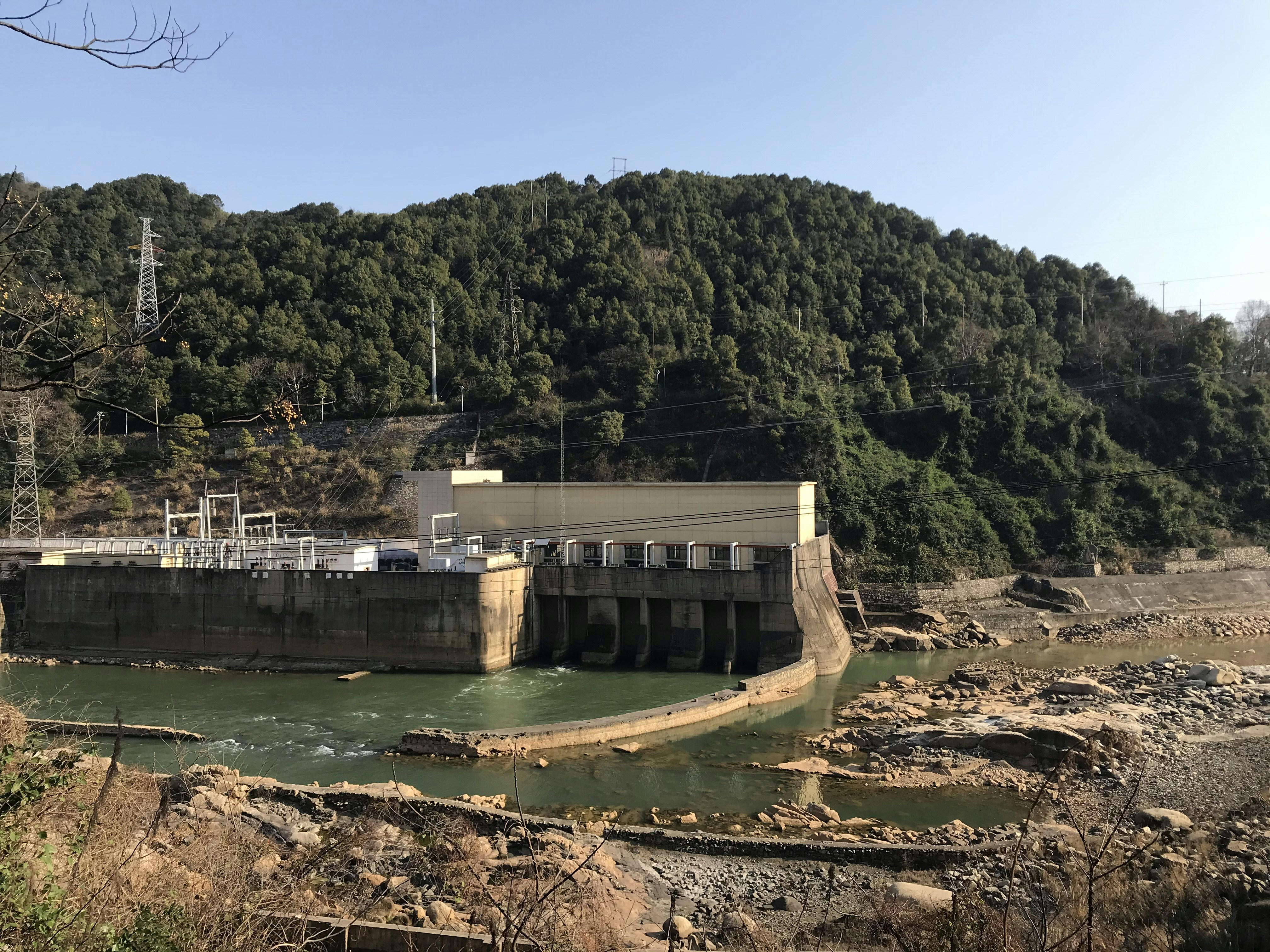
In the wake of the deadly floods that have ravaged Indonesia, the government has taken significant measures to address both the immediate crisis and underlying issues such as environmental degradation. Notably, operations at several mining and hydropower firms, which have been implicated in deforestation, were suspended as part of a broader strategy to mitigate future disasters. This critical response underscores the Indonesian government’s acknowledgment of the link between deforestation and the increased vulnerability of communities to flooding.
To assist survivors, the government has mobilized resources and coordinated with various organizations to facilitate relief efforts. Aid distribution, however, has faced numerous logistical challenges. Many affected areas are remote, making access difficult for aid workers. The destruction of infrastructure, including roads and bridges, further complicates the transportation of essential supplies. Delays in reaching those in need can exacerbate the suffering of flood victims who are already struggling to survive.
Local and international organizations have played a vital role in the relief process. These entities bring not only funding but also expertise in disaster response, helping to assess needs and distribute aid effectively. Efforts by these organizations often include providing food, clean water, medical services, and temporary shelter for displaced families. Despite the best intentions and dedicated efforts, the distribution of aid remains uneven. Many survivors report feeling abandoned or overlooked as bureaucratic hurdles and resource shortages hinder timely support.
The stories of survivors highlight the desperate circumstances many face. Some have lost everything in the floods and are reliant on the aid that is often slow to arrive. Their resilience, however, shines through as they navigate these challenges, further emphasizing the importance of streamlined efforts in aid distribution. As Indonesia continues to recuperate from this disaster, it is essential that both governmental and non-governmental entities work together to reinforce the delivery of assistance to all affected communities.
Environmental Considerations and Future Prevention Strategies
The recent deadly floods in Indonesia have underscored the critical need to examine the environment’s role in such disasters. A significant contributing factor to the severity of these floods is the rampant deforestation linked to mining and hydropower operations. As forests serve as natural barriers to flooding, their removal exacerbates the impact of heavy rainfall, leading to increased runoff and soil erosion. These environmental alterations not only compromise local ecosystems but also undermine the communities’ resilience to climatic events.
In light of the environmental challenges posed by deforestation and unsustainable practices, it is imperative that Indonesia considers more sustainable development strategies and land management practices. Implementing measures that promote reforestation and the preservation of existing natural habitats can significantly mitigate flood risks. Striking a balance between development and environmental sustainability is essential for creating a resilient infrastructure capable of withstanding natural disasters.
Future strategies should also include community preparedness initiatives that educate local populations on disaster risk reduction and response techniques. Training programs that focus on sustainable agricultural practices, alongside awareness campaigns about the importance of protecting local waterways and forests, can empower communities to take proactive steps to safeguard their environments. Furthermore, collaboration between the Indonesian government, local communities, and international bodies is crucial in establishing a comprehensive approach to disaster management.
Investing in environmental restoration initiatives, such as the rehabilitation of degraded lands and the implementation of better water management systems, could also play a pivotal role in reducing flood impacts. The integration of these strategies will not only enhance the resilience of affected areas but also promote a sustainable future for Indonesia, ensuring that the tragic toll from floods is lessened in the years to come.

At TodayResearcher, we bring you stories that matter. Covering everything from breaking news and world events to lifestyle, entertainment, science, and culture, our editorial team is dedicated to delivering accurate, insightful, and engaging content. We aim to keep readers informed, inspired, and curious about the world around them.