Timing and Significance
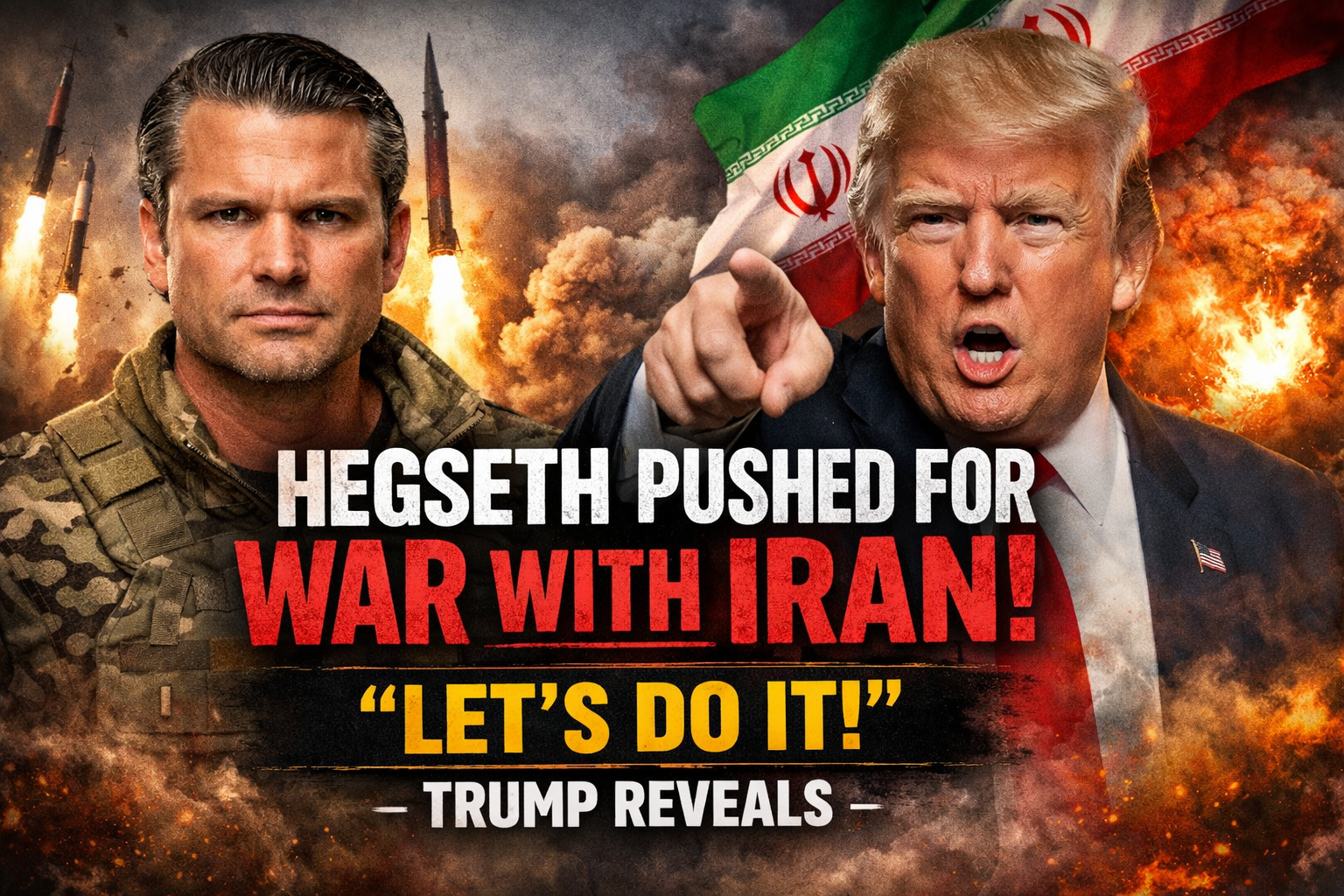
In recent weeks, the global oil market has experienced a notable increase in trading activity, coinciding with President Donald Trump’s impending announcement regarding Iran’s nuclear program. This surge in oil trades can be attributed to traders bracing for potential changes in sanctions and international relations that may significantly impact oil supply and pricing. The timing of this announcement and the market reaction underscore the interconnected nature of geopolitical developments and economic repercussions, particularly in the oil sector.
Traders and analysts have been closely monitoring the situation, as the outcome of the announcement could either lead to a reinstatement of tough sanctions against Iran or signal a continuation of diplomatic efforts. Given that Iran is one of the world’s largest oil producers, any alterations in the regulatory landscape could have far-reaching implications for oil exports, influencing both local and global prices. Therefore, the fluctuations in trading volume leading up to the announcement illustrate heightened market sensitivity and strategic positioning by investors.
Not only do these oil trades reflect immediate reactions to the potential of altered export policies, but they also reveal broader trends in how geopolitical events can sway market behaviors. The significant scale of trades performed prior to the announcement emphasizes a proactive approach among traders who are seeking to mitigate risks and capitalize on what promises to be a transformative moment in U.S.-Iran relations. As stakeholders in the oil market prepare for potential shifts, the linkage between oil trades and political announcements becomes increasingly crucial, highlighting the importance of geopolitical awareness in trading strategies.
The Trades: A Breakdown of Activity
On the morning of the significant announcement regarding Iran, a conspicuous surge in oil trading was observed between 6:49 and 6:50 a.m. Eastern Time, highlighting a pivotal moment in the energy market. During this brief window, traders engaged in substantial transactions involving two primary types of crude oil: Brent Crude and West Texas Intermediate (WTI).
Brent Crude, often viewed as the international benchmark for oil pricing, experienced a noticeable increase in trade volume. Traders capitalized on the fluctuating market conditions, resulting in a rapid escalation of prices. Concurrently, WTI, the U.S. benchmark for oil, witnessed similar patterns. The rise in trading activity for both Brent and WTI indicates the broad market response to geopolitical factors, particularly the speculation surrounding Trump’s announcement that directly impacts oil supply chains.
The financial implications of these trades are significant. With traders rapidly executing buy and sell orders, the volatility in oil prices exemplified the market’s sensitivity to external events. Reports suggest that the volume of trades in this minute was unprecedented, indicating a heightened level of trading activity that bore the hallmarks of panic and opportunistic strategies among investors. Financial analysts noted that such trading shifts not only impact immediate market conditions but can also set a precedent for future trading strategies as participants realign their expectations based on geopolitical realities.
In addition to bolstering trading volumes, the market reaction also illustrates the crucial interplay between political developments and financial markets. The timing of these trades serves as a case study of how traders respond to significant announcements, further emphasizing the inherently reactive nature of the oil market. Overall, the minute in question exemplifies a critical flashpoint that underscores the constant tension between information flow and market dynamics.
Market Context: Oil Price Dynamics
The global oil market is subject to a myriad of influencing factors ranging from geopolitical events to established production practices. At the time of President Trump’s announcement regarding Iran, oil prices were particularly reactive to developments in the Middle East. Tensions between the United States and Iran have historically contributed to fluctuations in oil prices as investors react to potential disruptions in supply routes and production capacities.
The dynamics of oil pricing are often portrayed through a blend of demand and supply considerations. In the months leading up to Trump’s announcement, oil prices had shown a degree of volatility due to various factors including OPEC+ production decisions and international economic indicators. For example, a commitment by OPEC+ to manage output in response to reduced demand from the global market had seen moderate effects on oil prices, creating a buffer against sudden spikes. This strategic alignment among oil-producing nations illustrates how price stability can be influenced by cooperative agreements.
Moreover, market sentiments were also shaped by the anticipation of potential sanctions on Iran’s oil exports, as traders speculated about the implications for global supply chains. The fear of tighter supplies stemming from Iranian disruptions often resulted in price rallies. Furthermore, the U.S. dollar’s strength plays a crucial role in the cost of oil, especially for nations that must convert their currencies to purchase crude. The interplay of these various factors creates a complex environment in which oil prices operate.
In conclusion, the oil market surrounding Trump’s announcement was characterized by heightened volatility influenced by geopolitical tensions, market supply dynamics, and broader economic indicators. Understanding these interconnected elements is essential for grasping the fluctuations in oil prices during this critical period.
Motives Behind the Trades: Who, Why, and How?
The recent surge in massive oil trades, particularly the $580 million bets preceding President Trump’s announcement regarding Iran, has prompted a closer examination of the motivations driving these trades. Understanding who the major players are in this scenario is essential, as it sheds light on the broader implications for market behavior.
Traders involved in such significant investments typically encompass a mix of institutional investors, hedge funds, and speculators. These entities are known for their sophisticated market analysis and forecasting capabilities, allowing them to make educated predictions about oil prices and geopolitical developments. The impending announcement regarding Iran likely fueled concerns over potential sanctions or changes in oil supply, prompting these traders to position themselves advantageously in the market.
In terms of strategy, the trades may have been influenced by technical analysis and macroeconomic data, leading traders to not only anticipate price fluctuations but also to hedge against potential losses. Traders often utilize various instruments such as options and futures to manage the risk related to the volatility of the oil market. In this particular instance, many were likely seeking to gain leverage on anticipated moves that could arise from policy changes or conflicts affecting oil production.
The implications of these massive trades extend beyond the immediate financial gains for traders. They can signal shifting market sentiments and influence price trends, contributing to increased volatility. Moreover, the activity observed may encourage other market participants to adopt similar positions, further exacerbating price fluctuations in response to geopolitical events. This interconnectedness in trading practices highlights the significance of understanding the motivations behind such remarkable trades.
Analysis of Trump’s Announcement: Impact on the Market
On the evening of President Trump’s announcement regarding Iran, the oil market experienced considerable volatility. The message conveyed was multifaceted, aiming not only to caution against military escalation but also to reassure traders about the stability of oil prices. Trump’s decision to pause military action against Iran was perceived as an attempt to de-escalate tensions that had the potential to disrupt oil shipments through crucial waterways, particularly the Strait of Hormuz.
The initial reaction from market participants was one of cautious optimism. Traders noted that any sign of restraint from the U.S. government could result in a stabilization of crude oil prices, which had been under pressure due to fears of conflict. The pause in military action was interpreted as a signal that further hostilities might be avoided, allowing for a return to normal trading conditions in the oil market.
Analysts pointed out that Trump’s rationale seemingly revolved around both strategic and economic considerations. The President highlighted the importance of protecting American lives while also expressing a commitment to ensuring that the U.S. economy remains resilient amidst international tensions. Traders were quick to analyze this stance, realizing that a military conflict could lead to significant supply disruptions and price hikes, adversely impacting global markets.
In the days following the announcement, the oil futures market experienced fluctuations, with prices reflecting trader sentiment regarding ongoing geopolitical tensions. Though Trump’s words provided temporary relief, the underlying uncertainty surrounding Iran’s nuclear ambitions and military capabilities continued to influence market sentiment. Analysts remained vigilant, recognizing that while the announcement had immediate positive implications, the potential for future volatility remained high.
Price Reactions: Immediate Aftermath of the Announcement
The announcement made by President Trump regarding Iran had immediate and profound effects on global oil prices. Following this significant statement, the oil market experienced notable fluctuations, illustrating the sensitivity of commodity prices to geopolitical developments. As traders absorbed the implications of the announcement, prices exhibited a sharp decline, with reports indicating a drop of several percentage points in a matter of hours.
This quick reaction can be attributed to multiple factors influencing market sentiment. One of the primary contributors was the overall uncertainty surrounding the potential for increased oil supply stemming from a possible easing of sanctions on Iran. The prospect of Iran’s return to the global oil market led many traders to reassess their positions, anticipating a surplus that could further push prices downward. Moreover, the announcement fueled concerns about a potential escalation in tensions within the Middle East, which added to market volatility.
Additionally, the reaction was not confined solely to crude oil prices. Related markets such as refined products and futures also reflected similar downward trends, presenting a comprehensive view of the oil landscape’s response. The Brent crude benchmark, widely regarded as a global oil price index, notably dipped, aligning with the overall surge in concerns surrounding supply dynamics.
Following the initial price drop, traders remained watchful for any subsequent developments or clarifications that could further influence market reactions. Analysts emphasized the importance of geopolitical factors and their capacity to shift market trajectories, indicating that the oil market might continue to experience turbulence as the situation evolved.
Insights from Financial Experts: Predictions and Reactions
The recent surge in oil trades in anticipation of President Trump’s announcement regarding Iran has caught the attention of many financial experts. Analysts are divided on the potential implications for oil prices, especially given the complex geopolitical landscape affecting the market. Some experts predict that if Trump imposes stricter sanctions on Iran, it could lead to a substantial decrease in Iranian oil supplies. This scarcity could create upward pressure on global oil prices, potentially reaching levels not seen in recent months.
Others caution against this perspective, suggesting that such forecasts could lead to overreactions in the trading community. Market stability could be influenced by other key factors, including the response from other oil-producing nations and the future strategies of major oil conglomerates. Furthermore, the ongoing shifts in energy policies globally could significantly affect trading behaviors in the long term. For instance, many financial advisors emphasize that increased production from other OPEC members could offset any declines from Iran, stabilizing prices in the process.
Additionally, there is a consensus among some analysts that the volatility surrounding such announcements often leads to short-term market fluctuations rather than lasting changes in pricing dynamics. They recommend that investors maintain a cautious approach, considering hedging strategies to navigate potential instability in the oil markets. Overall, the future of oil pricing appears fraught with uncertainty, heavily dependent on the Iranian situation as well as broader geopolitical developments. In conclusion, while insights from financial experts vary, they all highlight the intricate and unpredictable nature of the oil market in response to international political actions.
Historical Perspective: Similar Trades and Announcements
The relationship between significant political events and market reactions is a well-documented phenomenon, particularly in the oil sector. Historical instances demonstrate that large-scale trading activity often precedes key announcements, reflecting traders’ attempts to predict market movements and capitalize on anticipated volatility.
A notable case occurred in 2014 when the U.S. announced new sanctions against Russia due to its actions in Ukraine. Ahead of the announcement, a surge in oil futures trading was observed, hinting at the fear and anticipation among traders concerning possible disruptions in the energy supply chain. The sanctions led to significant fluctuations in prices, validating the prescient trading behavior seen prior to the decision.
Similarly, the 2016 OPEC agreement to cut oil production was foreshadowed by increased activity in futures markets. Traders, aware of ongoing discussions within the organization, positioned themselves in advance of the formal announcement, which would lead to a spike in oil prices as expectations of decreased supply solidified.
It is not only confined to oil; significant trades often foreshadow announcements in various sectors. The tech industry witnessed substantial trading volumes before major product launches or mergers, as investors aimed to preempt market reactions. The announcement of a merger between two tech giants in 2018 sparked such activity, where securities were briskly traded as market participants speculated on the implications of the deal.
These historical examples illustrate a clear pattern: significant political or corporate announcements regularly catalyze large-scale trading activity, particularly in sectors sensitive to regulatory and operational shifts. As we approach crucial announcements, such as those concerning Iran, recognizing these trends becomes essential for investors and analysts alike, providing insight into potential market movements and volatility.
Conclusion: The Broader Implications
The recent surge in massive oil trades ahead of President Trump’s anticipated announcement regarding Iran highlights several critical aspects of market behavior and trading strategies. This instance underscores the anticipatory dynamics that often drive traders in the commodities market. Traders’ reactions can significantly influence market volatility, especially in a landscape shaped by geopolitical tensions. The expectations surrounding policy changes can induce significant fluctuations in oil prices as market participants adjust their strategies based on perceived risks and opportunities.
Moreover, this trading surge illustrates the profound impact of regulatory announcements and international relations on commodity markets. Traders are consistently seeking to capitalize on potential price movements, leading to increased trading volumes as deadlines approach. This anticipatory behavior, while offering opportunities for profit, also poses risks for less-informed participants who may enter the market without a comprehensive understanding of the factors at play.
Overall, the incident emphasizes the necessity for traders to stay informed and to understand the broader implications of geopolitical events on market conditions. As governments and organizations continue to navigate complex international relations, traders must remain vigilant and adaptive. This event serves as a reminder that successful trading is not merely about current prices but about foresight and understanding the broader economic context. As we move forward, these insights will be crucial for market participants aiming to navigate the complexities of oil trading and the implications of global events on commodity markets.

About TodayResearcher
At TodayResearcher, we bring you stories that matter. Covering everything from breaking news and world events to lifestyle, entertainment, science, and culture, our editorial team is dedicated to delivering accurate, insightful, and engaging content. We aim to keep readers informed, inspired, and curious about the world around them.